Mimosa Hostilis Root Bark

Learn about Mimosa Hostilis root bark, its Brazilian and Mexican sources, natural dye properties, tannin content, and traditional uses. Full guide with facts, benefits, and buying tips.

enter shop learn more
Mimosa Hostilis root bark

What Is Mimosa Hostilis Root Bark?

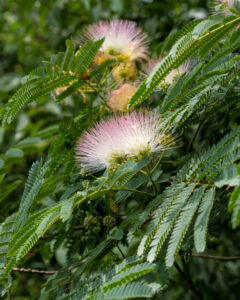
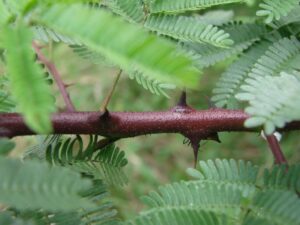
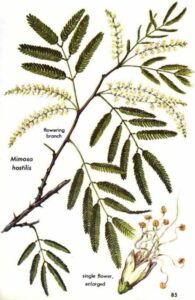
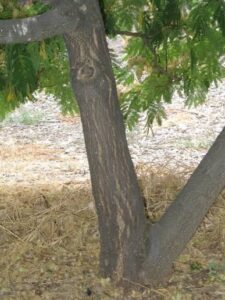
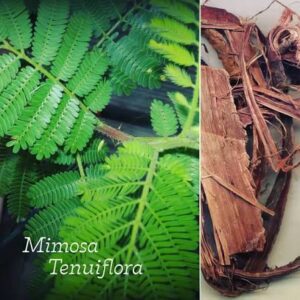
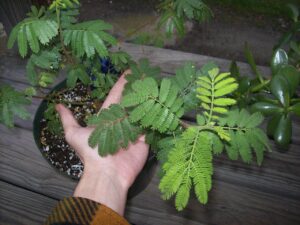
Mimosa Hostilis root bark comes from Mimosa tenuiflora, a hardy, fast-growing tree found across northeastern Brazil, parts of Mexico, and other regions of Central America. Local communities have relied on this tree for generations, and the bark itself has earned a reputation as one of the most versatile natural materials available for dyeing, tanning, and traditional skin treatments.

Understanding Mimosa Hostilis Root Bark: Features, Origins, and Uses

Mimosa Hostilis root bark, scientifically known as Mimosa tenuiflora or Jurema preta, is a perennial tree native to South and Central America. Recognized primarily for its deep reddish-purple inner bark, this botanical material has been utilized for centuries in traditional crafting, natural textile dyeing, and skincare formulations. Understanding the distinct properties of this plant, along with the structural differences between regional varieties like Brazilian Mimosa Hostilis root bark and Mexican Mimosa Hostilis root bark, helps clarify why it remains a valuable natural resource today.

OUR CATEGORY 

Mimosa as a category spans multiple disciplines, from botany to product taxonomy and digital content. A clear, well-defined category helps educators, retailers, and researchers find relevant information quickly and accurately.

What is Mimosa Hostilis Root Bark?

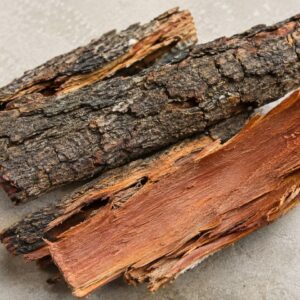
Mimosa Hostilis root bark (MHRB) is the inner root layer of the Mimosa tenuiflora tree, native to Brazil and Mexico. High in natural condensed tannins (16–20%), it is widely prized as a durable textile dye that yields deep red and purple hues, as well as a key ingredient in traditional skin cosmetics and soaps.

Brazilian vs. Mexican Mimosa Hostilis Root Bark

While both regional types share the same botanical classification, variations in soil chemistry, rainfall patterns, and harvesting methods create distinct physical traits between Brazilian Mimosa Hostilis root bark and Mexican Mimosa Hostilis root bark.

Mimosa Hostilis root bark


Brazilian Mimosa Hostilis Root Bark vs. Mexican Mimosa Hostilis Root Bark

Buyers often ask about the difference between Brazilian and Mexican sourced bark, and while both come from the same species, there are a few distinctions worth noting.

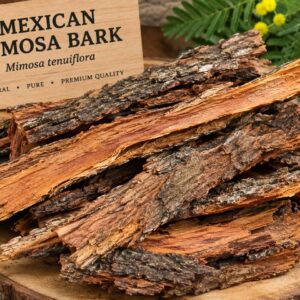
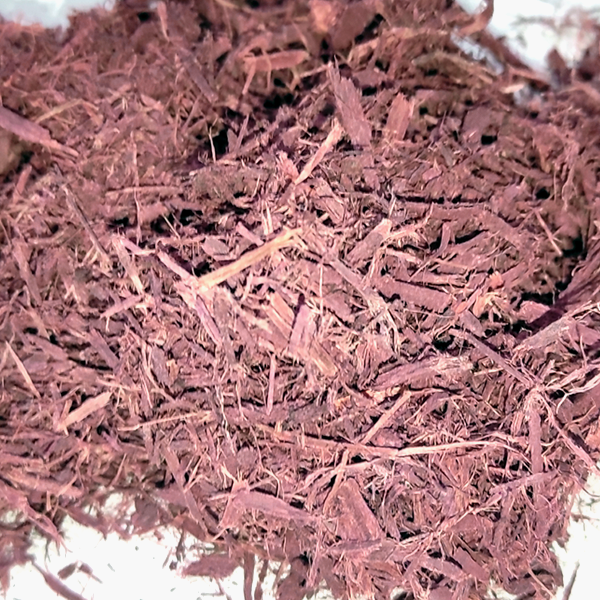
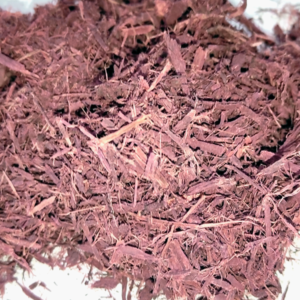
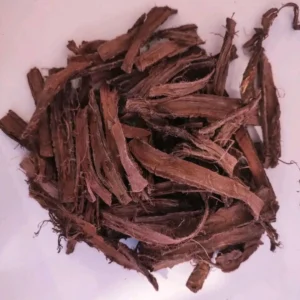
Brazilian Mimosa Hostilis root bark is generally considered the classic source, harvested in the semi-arid Caatinga region of northeastern Brazil. This bark tends to have a slightly darker tone and is often sold in shredded form, which many crafters prefer for slow-release dye baths.

Mexican Mimosa Hostilis root bark, sometimes labeled Tepezcohuite bark, grows in similar dry, tropical climates in southern Mexico. It has a long-standing place in Mexican herbal tradition, where the powdered bark has historically been applied topically as part of folk skincare practices, particularly for soothing and moisturizing dry skin.

Both origins carry the same core properties, but .sourcing, harvest timing, and processing methods can create small differences in color intensity and texture. Buyers looking for a specific shade for dyeing projects sometimes test both to see which gives the desired result on their particular fabric or leather

SHOP BRAZILIAN

Brazilian Mimosa Hostilis Root Bark

Brazilian Mimosa Hostilis root bark is widely regarded as the original and most traditional source of this material, harvested primarily from the Caatinga biome — a semi-arid region spanning several states in northeastern Brazil, including Pernambuco, Bahia, and Ceará. This landscape, characterized by thorny scrub vegetation and long dry seasons, happens to be the ideal growing environment for Mimosa tenuiflora, and the tree has adapted to thrive there for centuries.

Price range: $188.00 through $4,200.00
This product has multiple variants. The options may be chosen on the product page
Sale!
Price range: $145.99 through $4,500.00
This product has multiple variants. The options may be chosen on the product page

shop mexican MHRB

Mexican Mimosa Hostilis Root Bark

Mexican Mimosa Hostilis root bark, more commonly known in Mexico by its traditional name Tepezcohuite, comes from the same species of tree found in Brazil but grows across the drier regions of southern Mexico, including parts of Chiapas and Oaxaca. While the botanical source is identical, the cultural history and traditional applications tied to the Mexican variety are distinct enough that many buyers specifically seek it out by name.

In Mexican herbal tradition, Tepezcohuite bark has a documented history stretching back generations, particularly in folk skincare practices. The powdered bark has long been mixed into pastes, balms, and traditional preparations applied topically for general skin comfort and care. This history is well known within Mexican herbal medicine circles and has made the bark a recognizable ingredient in traditional beauty and wellness routines, independent of its dyeing or tanning applications.

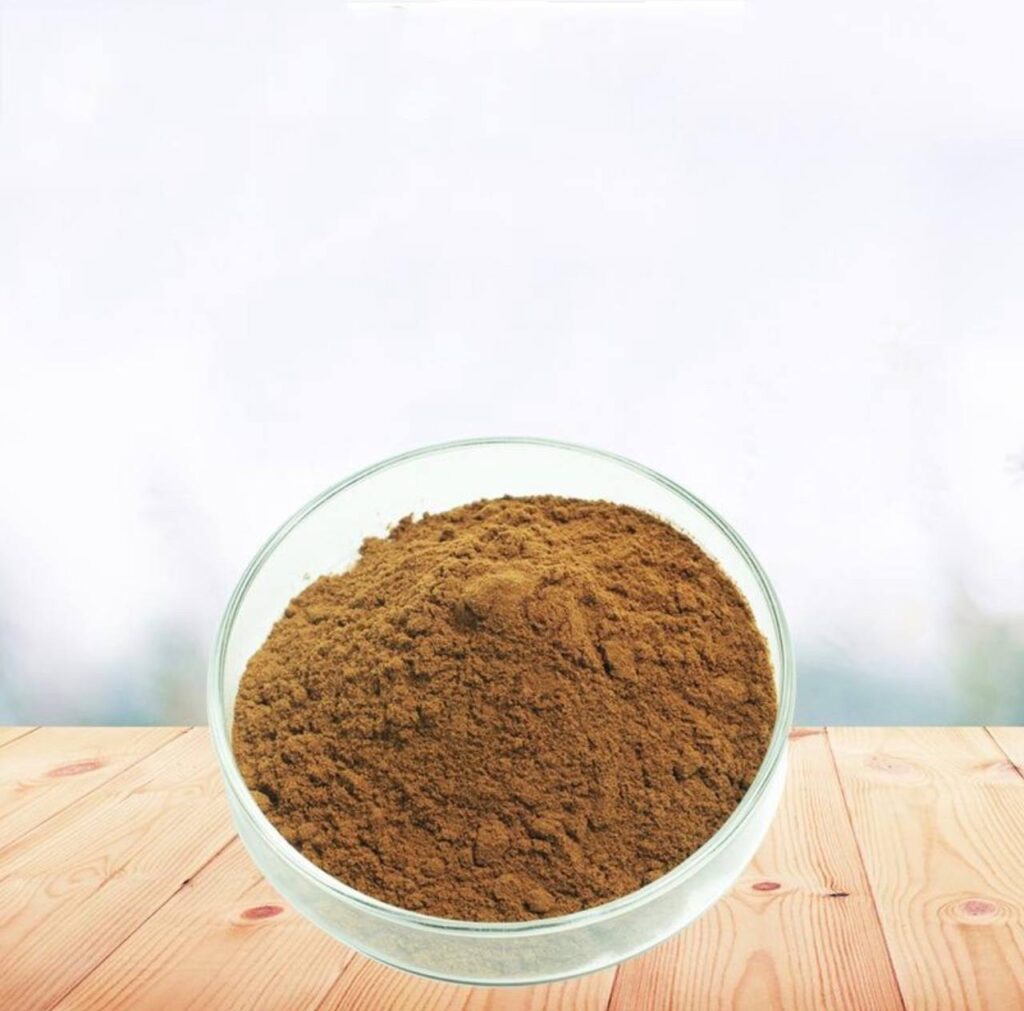
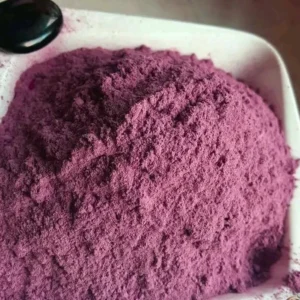
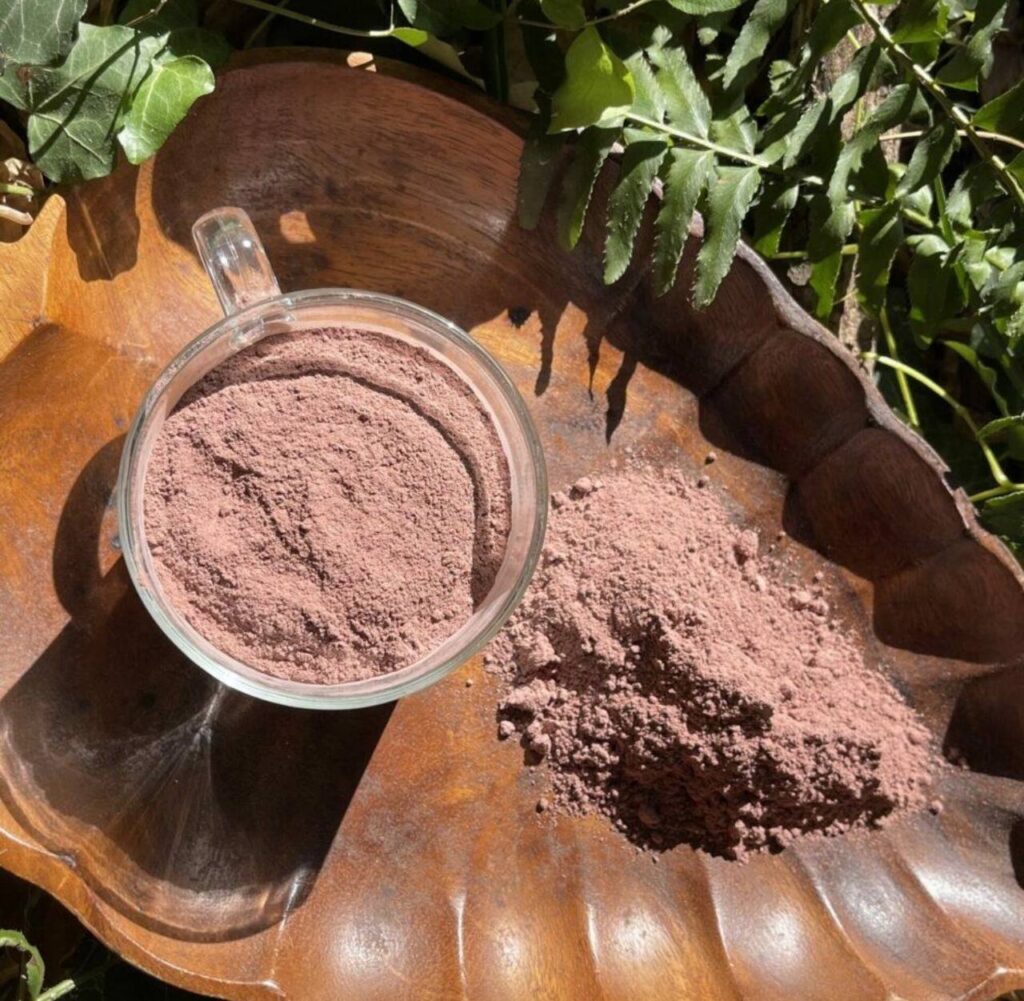
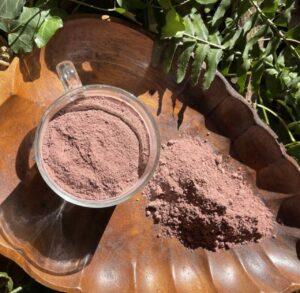
Visually and texturally, Mexican-sourced bark is often processed into a finer powder more frequently than the Brazilian variety, largely because of its historical use in topical folk preparations, where a smooth, easily blendable powder is preferred over coarser shredded material. That said, shredded Mexican bark is also available and used similarly to its Brazilian counterpart for dye baths and tanning projects.

Price range: $147.00 through $4,399.99
This product has multiple variants. The options may be chosen on the product page
Price range: $148.99 through $570.00
This product has multiple variants. The options may be chosen on the product page
Price range: $150.00 through $4,489.99
This product has multiple variants. The options may be chosen on the product page
Price range: $215.00 through $4,500.00
This product has multiple variants. The options may be chosen on the product page

Your Global Source for Botanical Purity.


At MIMOSA ROOTS, we specialize in the professional procurement and precision processing of high-density Mimosa hostilis root bark. We understand that for our global network of researchers, botanical artisans, and industrial clients, consistency is the only metric that matters. Our 2026 MHRB Reserve is meticulously curated, cold-milled, and laboratory-verified to ensure that every shipment delivers the exact phytochemical profile and tannin density required for professional-grade results.

Why Professionals Buy MHRB Online from MIMOSA ROOTS
When you are looking to buy Mimosa hostilis online, quality and provenance are everything. We source only 100% Tepezcohuite (Jurema Preta), ensuring that our customers receive the most potent inner root bark available on the market today. Unlike other suppliers, we avoid the woody outer bark, focusing strictly on the high-alkaloid inner layers.

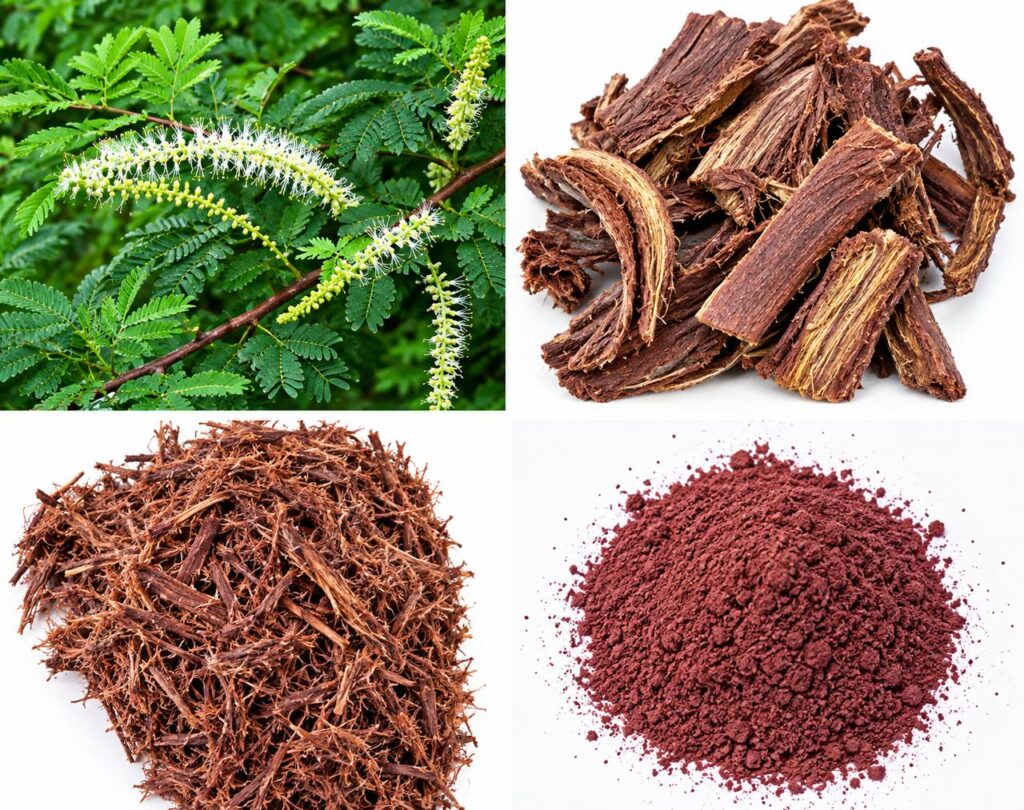
  1. Premium Shredded Bark: Ideal for traditional botanical research and high-yield extractions.
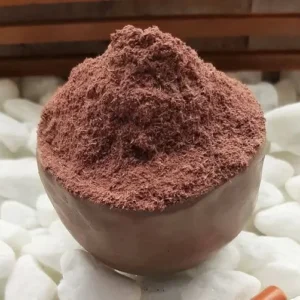
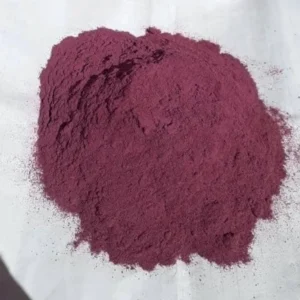
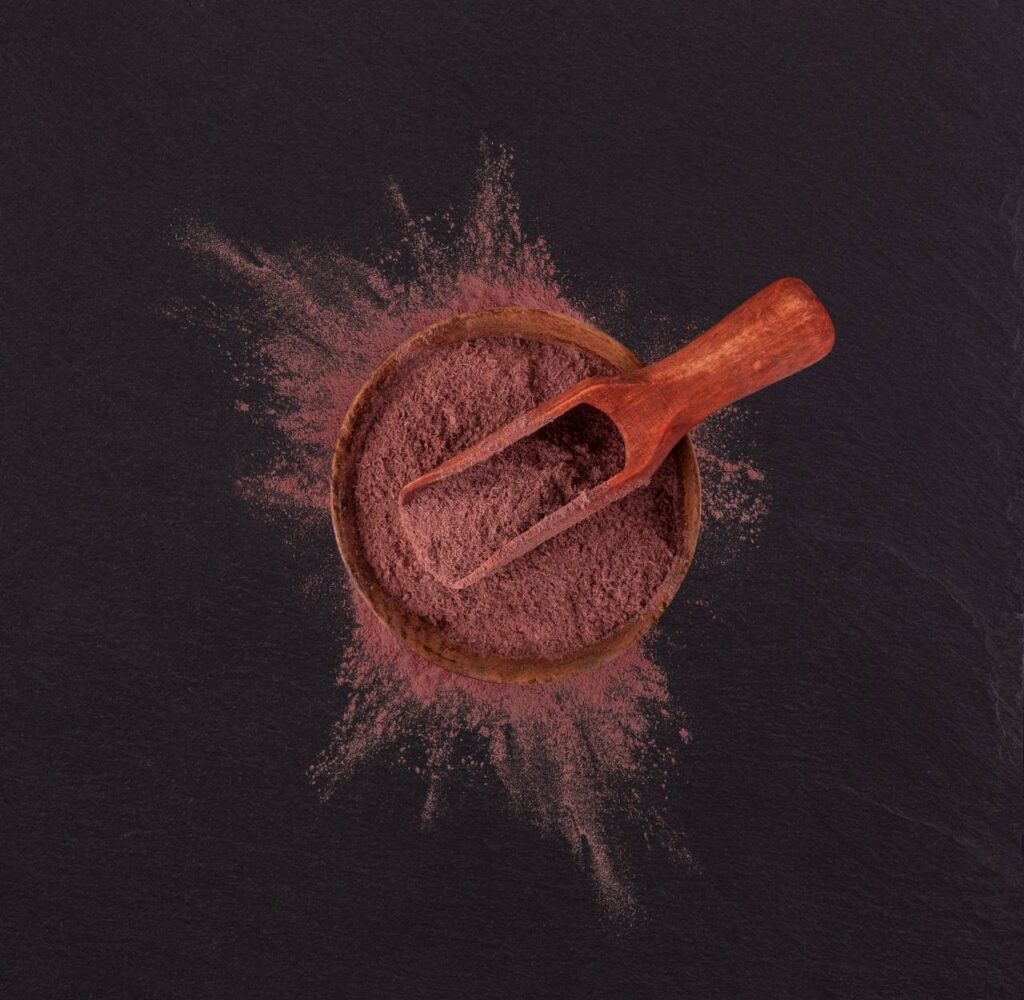
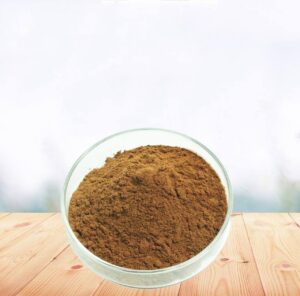
  2. Micro-Fine MHRB Powder: Our cold-milled powder is processed without heat to preserve the integrity of the botanical fibers.
  3. Wholesale & Bulk MHRB: We offer competitive pricing for large-scale industrial procurement and commercial artisans.

Mimosa hostilis root bark for sale

Rich, deep colour from a traditional Brazilian botanical.

Our Mimosa hostilis root bark (Mimosa tenuiflora), also known as jurema preta or tepezcohuite, comes from mature, sustainably harvested trees in Brazil. It is prized by natural dyers, soap makers and artisans for its high tannin content and its ability to produce deep burgundy, plum and violet-brown shades.

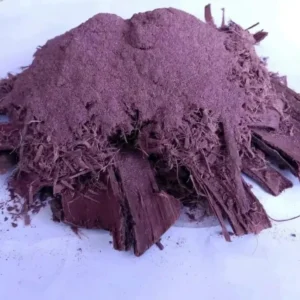
Each batch is carefully dried, inspected and packed to preserve colour strength and freshness. Choose from shredded bark, powder, or whole chips, depending on your project.

Mimosa Hostilis Root Bark: Frequently Asked Questions

Answers to the most common questions about Mimosa Hostilis root bark (MHRB), including sourcing, uses, legality, dyeing, tanning, and traditional applications.


1. What is Mimosa Hostilis root bark? Mimosa Hostilis root bark is the dried inner bark harvested from the roots and lower trunk of Mimosa tenuiflora, a tree native to Brazil and parts of Mexico and Central America. It’s valued mainly for its high tannin content and rich reddish-brown pigment, which make it popular for natural dyeing, leather tanning, and traditional craft or skincare uses.

2. What does MHRB stand for? MHRB is simply an abbreviation for Mimosa Hostilis Root Bark. It’s used widely across dye forums, botanical suppliers, and craft marketplaces as shorthand for the same product sold under its full name.

3. What is the difference between Brazilian and Mexican Mimosa Hostilis root bark? Both come from the same tree species, but Brazilian bark is typically harvested from the Caatinga region of northeastern Brazil and is traditionally associated with dyeing and tanning, while Mexican bark, often called Tepezcohuite, has a stronger historical connection to folk skincare and topical herbal preparations in Mexican tradition.

4. What is Jurema Preta? Jurema Preta is the traditional Brazilian Portuguese name for Mimosa tenuiflora. It’s the same tree and bark referred to as Mimosa Hostilis root bark, but the name carries additional cultural and, in some communities, ceremonial significance in northeastern Brazil.

5. What is Tepezcohuite? Tepezcohuite is the traditional Mexican name for Mimosa Hostilis root bark. It has a long-documented history in Mexican folk herbalism, particularly for topical skin applications passed down through generations.

6. Is Mimosa Hostilis root bark legal to buy? In most countries, including the United States, the raw bark itself is legal to purchase and sell for recognized purposes like natural dyeing, tanning, and craft use. However, laws vary by country, so buyers should confirm regulations in their own location before purchasing.

7. Does Mimosa Hostilis root bark contain DMT? Yes, the bark naturally contains dimethyltryptamine (DMT), a compound classified as a controlled substance in the United States and many other countries. This is a well-documented property of the species and is separate from the bark’s legal, common commercial uses.

8. Is it legal to extract DMT from this bark? No. Extracting DMT from Mimosa Hostilis root bark is illegal in the United States and most other countries, regardless of how the bark is marketed or sold. Legal use of the bark is limited to non-extraction applications such as dyeing, tanning, and traditional topical or craft preparations.

9. What is Mimosa Hostilis root bark used for? Its most common uses include natural fabric dyeing, small-scale leather tanning, craft and pigment projects, soap coloring, and — particularly with Mexican-sourced bark — traditional topical skincare preparations rooted in folk herbal practice.

10. Why is Mimosa Hostilis root bark good for natural dyeing? It contains a high concentration of natural tannins and stable pigments, which produce deep, long-lasting reddish-brown, rust, and terracotta shades on natural fibers like cotton, wool, hemp, and silk.

11. Can Mimosa Hostilis root bark be used for leather tanning? Yes, its tannin content makes it suitable for traditional vegetable tanning methods, which convert raw hide into stable, durable leather without synthetic tanning chemicals like chromium salts.

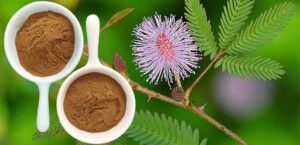
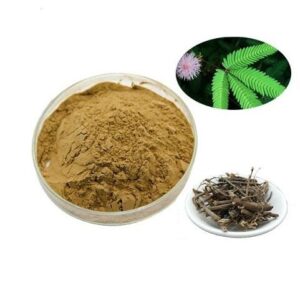
12. What form does Mimosa Hostilis root bark come in? It’s typically sold either as coarsely shredded bark pieces or as a finely ground powder. Shredded bark is often preferred for slow dye extraction, while powder is easier to measure and blend for smaller projects or topical use.

13. How do I know if Mimosa Hostilis root bark is good quality? Look for a deep, rich reddish-brown color rather than a faded or dusty appearance, clear labeling of origin (Brazilian or Mexican), and proper sealed storage. Fresh, well-stored bark generally produces stronger, more consistent dye and tannin results.

14. Does the color differ between Brazilian and Mexican bark? Some dyers report that Brazilian bark tends to produce a slightly darker, more saturated tone, while Mexican bark can lean a bit lighter or more amber. Variation also depends on harvest timing, soil, and drying methods, so results can differ batch to batch regardless of origin.

15. Is Mimosa Hostilis root bark sustainable to harvest? The tree grows quickly and tolerates poor, dry soil, allowing root bark to regenerate over time when harvested on a responsible rotational basis. Sustainability depends heavily on the individual supplier’s harvesting practices, so it’s worth asking directly.

16. What is the historical or cultural significance of this bark? In Brazil, the tree (Jurema Preta) has ties to Indigenous and Afro-Brazilian ceremonial traditions in certain communities. In Mexico, the bark (Tepezcohuite) has a long-documented history in folk skincare. Both traditions predate its current use in the global natural dye and craft market.

17. Can Mimosa Hostilis root bark be used in skincare products? In Mexican folk tradition, powdered Tepezcohuite bark has historically been used in topical preparations for general skin comfort. Modern buyers interested in this application should research reputable sources and be aware this reflects traditional, not clinically regulated, use.

18. How is Mimosa Hostilis root bark typically prepared for dyeing? The bark or powder is usually simmered in water for an extended period to extract tannins and pigment, creating a dye bath. Pre-treated fiber is then submerged in the bath, sometimes with a mordant, to develop and set the color.

19. What’s the difference between raw bark and a botanical extract? Raw bark is the unprocessed, dried material, while a botanical extract is a more concentrated liquid or powder form created through water or solvent extraction. Extracts offer more consistent, measurable color or tannin strength for production-scale dyeing or tanning.

20. Where does Mimosa Hostilis root bark typically ship from? Most commercial supply comes from Brazil, with a smaller but growing market for Mexican-sourced Tepezcohuite bark. Buyers should choose suppliers who are transparent about origin, harvesting method, and storage practices to ensure a quality, responsibly sourced product.
Buy Mimosa Hostilis in the USA | Trusted Sources and Shipping Times

American natural dyers, soap makers and textile artists have more choice than ever when it [...]

Mimosa Hostilis Fast Shipping | Get Your Root Bark Order Quickly

You have a dye project planned, a batch of soap waiting or customers expecting stock. [...]

Buy Shredded Mimosa Hostilis Root Bark | Grades, Quality and Uses

Shredded mimosa hostilis root bark is the all-rounder of the natural dye world. It is [...]

Mimosa Hostilis Price Guide 2026 | How Much Does Root Bark Cost?

Before you place an order, you probably want to know one thing: what is a [...]

Buy Mimosa Hostilis in Bulk | Wholesale Prices and Savings Guide

If you use mimosa hostilis root bark every week, small packs get expensive fast. Dye [...]

Mimosa Hostilis Powder for Sale | Fine Powder for Natural Dyeing

If you dye fabric, yarn or handmade soap, mimosa hostilis powder is one of the [...]

Mimosa Hostilis Root Bark for Sale: What to Look for Before You Order

Search for mimosa hostilis root bark for sale and you will find hundreds of listings. [...]

Where to Buy Mimosa Hostilis Root Bark Online: A Buyer’s Guide

What Is Mimosa Hostilis Root Bark? Mimosa hostilis, also known as Mimosa tenuiflora or jurema [...]

Buy Mimosa Bark

Buy Mimosa Root Bark Online: What to Know Before You Order If you’re ready to [...]

Mimosa hostilis root bark for sale

Mimosa Hostilis Root Bark for Sale: How to Choose the Best Bark for Natural Dyeing [...]