

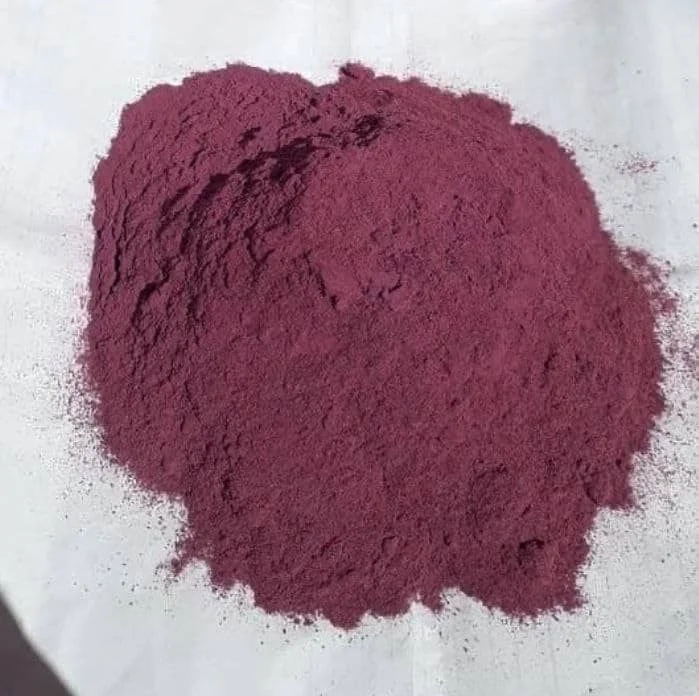

Brazilian Mimosa Hostilis Root Bark Powder: The Complete Guide to This Versatile Natural Dye
What Is Mimosa Hostilis Root Bark?
Mimosa Hostilis (botanically classified as Mimosa tenuiflora) is a resilient, fast-growing tree native to the semi-arid regions of northeastern Brazil, as well as parts of Mexico and other areas of Central America. For centuries, indigenous communities have prized this tree not for its wood, but for the pigment-rich bark that wraps its root system. When this inner root bark is carefully harvested, dried, and cold-milled into a fine powder, it becomes one of the most sought-after natural dyeing agents in the world.
Unlike synthetic dyes loaded with harsh chemicals, Mimosa Hostilis Root Bark (often abbreviated as MHRB) offers artisans, textile hobbyists, and natural crafters a plant-based alternative that delivers deep, rich reddish-brown tones without compromising on quality or sustainability.
Why “Cold-Milled” Matters
Not all root bark powder is created equal. The milling process has a dramatic effect on the final product’s potency, texture, and usability. Cold-milling — as opposed to standard high-heat grinding — preserves the integrity of the bark’s natural tannins and pigments.
Here’s why this distinction is important for anyone shopping for MHRB powder:
Heat degradation is real. Conventional milling generates friction, and friction generates heat. Excess heat can break down the delicate organic compounds responsible for the bark’s color intensity, resulting in a duller, less vibrant final product.
Finer, more consistent particle size. Cold-milling typically produces a smoother, more uniform powder that dissolves more evenly in water or dye baths, reducing clumping and waste.
Better shelf stability. Because the natural compounds haven’t been thermally stressed, cold-milled powder tends to retain its dyeing strength longer when stored properly.
If you’ve ever purchased root bark powder that seemed weak, gritty, or inconsistent, there’s a good chance it wasn’t cold-milled — or wasn’t sourced from mature, properly harvested roots.
Where Authentic Brazilian MHRB Comes From
Sourcing matters enormously with this product. Brazil’s semi-arid Caatinga region provides the ideal growing conditions for Mimosa tenuiflora — intense sun, mineral-rich soil, and long dry seasons that concentrate the tannins and pigments within the root system. Trees harvested from this region, particularly those allowed to mature fully before harvest, produce root bark with noticeably deeper color yield compared to bark sourced from younger trees or different climates.
When shopping for this product, look for suppliers who are transparent about:
- Country and region of origin (genuine Brazilian sourcing)
- Harvesting practices and sustainability commitments
- Milling method (cold-milled vs. standard)
- Batch testing or quality control processes
- Purity — free from fillers, additives, or bulking agents
Popular Uses for Mimosa Hostilis Root Bark Powder
This is where the product truly shines. Its versatility has made it a staple across several creative and practical industries.
1. Natural Textile and Fiber Dyeing
MHRB powder is beloved among natural dye enthusiasts for producing warm, earthy tones ranging from soft pink to deep burgundy and rich brown, depending on concentration, mordant used, and fiber type. It works exceptionally well on:
- Cotton and linen
- Wool and silk
- Hemp and jute
- Basket-weaving fibers
Many fiber artists prefer MHRB over synthetic alternatives because it produces rich, complex color variation rather than flat, uniform shades — giving handmade textiles a distinctive, organic character.
2. Leather Tanning and Finishing
Long before modern tanning chemicals existed, root barks like this one were used to treat and preserve hides. The natural tannins present in Mimosa Hostilis bark make it a compelling option for artisans practicing traditional or eco-conscious leather tanning methods, contributing both color and a degree of natural preservation.
3. Art, Craft, and Décor Projects
From hand-dyed paper and macramé cord to rustic home décor pieces, MHRB powder has found a home in the maker community. Its rich pigment makes it ideal for:
- DIY dye baths for craft fibers
- Wood staining accents
- Natural ink experimentation
- Botanical art projects
4. Aromatic and Ornamental Applications
Some crafters incorporate the powder into potpourri blends, sachets, or decorative displays, appreciating its natural, earthy aroma and rustic reddish-brown hue.
How to Use Mimosa Hostilis Root Bark Powder for Dyeing
For those new to natural dyeing, here’s a simplified overview of the general process:
- Prepare your fiber. Scour and mordant your fabric or fiber beforehand (alum is a common, beginner-friendly mordant) to help the dye bind more effectively.
- Create your dye bath. Simmer the root bark powder in water, allowing the pigments to fully release — this typically takes a stretch of gentle heating rather than a quick boil.
- Strain the mixture. Remove the bark solids so you’re left with a clean, pigmented liquid.
- Add your fiber. Submerge your prepared material and allow it to simmer, stirring occasionally for even color absorption.
- Rinse and dry. Once you’ve reached your desired shade, rinse thoroughly and hang to dry away from direct sunlight.
Color outcomes will vary based on water pH, mordant choice, fiber composition, and dye bath concentration — part of what makes natural dyeing such a rewarding, experimental craft.
What Sets Premium MHRB Powder Apart
With so many suppliers in the market, quality varies widely. Premium-grade Brazilian Mimosa Hostilis root bark powder should offer:
Vibrant, consistent pigment yield — a hallmark of properly matured root bark and correct milling technique.
Fine, silky texture — a sign of careful cold-milling rather than rushed, heat-heavy processing.
Purity and transparency — no synthetic additives, fillers, or diluted batches designed to stretch supply at the cost of potency.
Traceable sourcing — reputable sellers can speak to where and how their bark was harvested.
Proper storage and packaging — airtight, moisture-resistant packaging preserves potency far longer than loosely sealed bags.
Sustainability Considerations
Mimosa tenuiflora is a hardy, fast-growing, and regenerative species — one of the reasons it has remained a viable natural resource for generations of harvesters in Brazil. Responsible suppliers prioritize sustainable harvesting practices that support the long-term health of wild and cultivated stands, ensuring this resource remains available without depleting local ecosystems.
When choosing a supplier, consider asking about their harvesting philosophy — ethical sourcing is increasingly important to consumers who want their creative materials to align with broader environmental values.
Important Note on Product Use
This product is sold strictly for legal purposes such as natural dyeing, fiber arts, leather tanning, and ornamental or educational use. It is intended for external, non-consumption applications only and is not for human consumption. As with any natural botanical material, buyers should research proper handling and use it responsibly and in accordance with all applicable local laws.
Frequently Asked Questions
What color does Mimosa Hostilis root bark powder produce?
Depending on concentration and mordant, it typically yields shades ranging from soft dusty rose to deep reddish-brown and burgundy.
Is cold-milled powder better than standard ground powder?
Generally, yes — cold-milling helps preserve pigment strength and produces a finer, more consistent texture, resulting in better dye performance.
How should I store root bark powder?
Keep it in an airtight container, away from direct sunlight, heat, and moisture, to preserve its potency for as long as possible.
Can this be used on all fabric types?
It performs best on natural fibers such as cotton, linen, silk, wool, and hemp. Synthetic fibers generally don’t absorb natural dyes well.
Is Brazilian-sourced root bark better than other origins?
Many natural dyers report that root bark from Brazil’s native growing regions produces richer, more consistent pigment due to the climate and soil conditions ideal for the species.
Mimosa Hostilis root bark
For fiber artists, natural dyers, leatherworkers, and craft enthusiasts seeking an authentic, plant-based alternative to synthetic pigments, premium cold-milled Brazilian Mimosa Hostilis root bark powder delivers a rare combination of tradition, versatility, and rich, earthy beauty. Sourced responsibly and milled with care, it stands out as a staple ingredient for anyone serious about natural, sustainable craft materials.
Whether you’re dyeing your first skein of wool or refining a professional leather-tanning process, understanding what separates premium root bark powder from lower-quality alternatives will help you get the most vibrant, long-lasting results from every batch.
| QUANTITY | 1KG, 2KG, 3KG, 4KG, 5KG, 10KG, 15KG, 25KG, 50KG |
|---|
Be the first to review “Brazilian Mimosa Hostilis (MHRB) | Cold-Milled Inner Root Bark Powder”
Related products
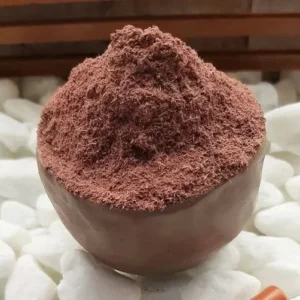
Brazilian Mimosa Hostilis
Reviews
There are no reviews yet.