Uncategorized
Mimosa hostilis root bark for sale
Sep
Mimosa Hostilis Root Bark for Sale: How to Choose the Best Bark for Natural Dyeing
If you’re searching for Mimosa hostilis root bark for sale, you’ve probably seen the rich plum and burgundy fabrics natural dyers create with it. This traditional botanical from northeastern Brazil is one of the most tannin-rich plant materials available, and it’s a favorite for textile dyeing, leather tanning and handmade soap.
This guide covers what Mimosa hostilis root bark is, what it’s used for, how to tell quality bark from poor bark, and what to look for before you buy.
What Is Mimosa Hostilis Root Bark?
Mimosa hostilis is the older, still widely used trade name for Mimosa tenuiflora, the accepted botanical name. In Brazil it is known as jurema preta, and in Mexico as tepezcohuite. The tree grows in dry, semi-arid regions, and its root bark has long been used as a natural source of tannins and color.
The bark is typically sold in three forms:
- Shredded bark: fibrous strips that release color steadily and are easy to strain
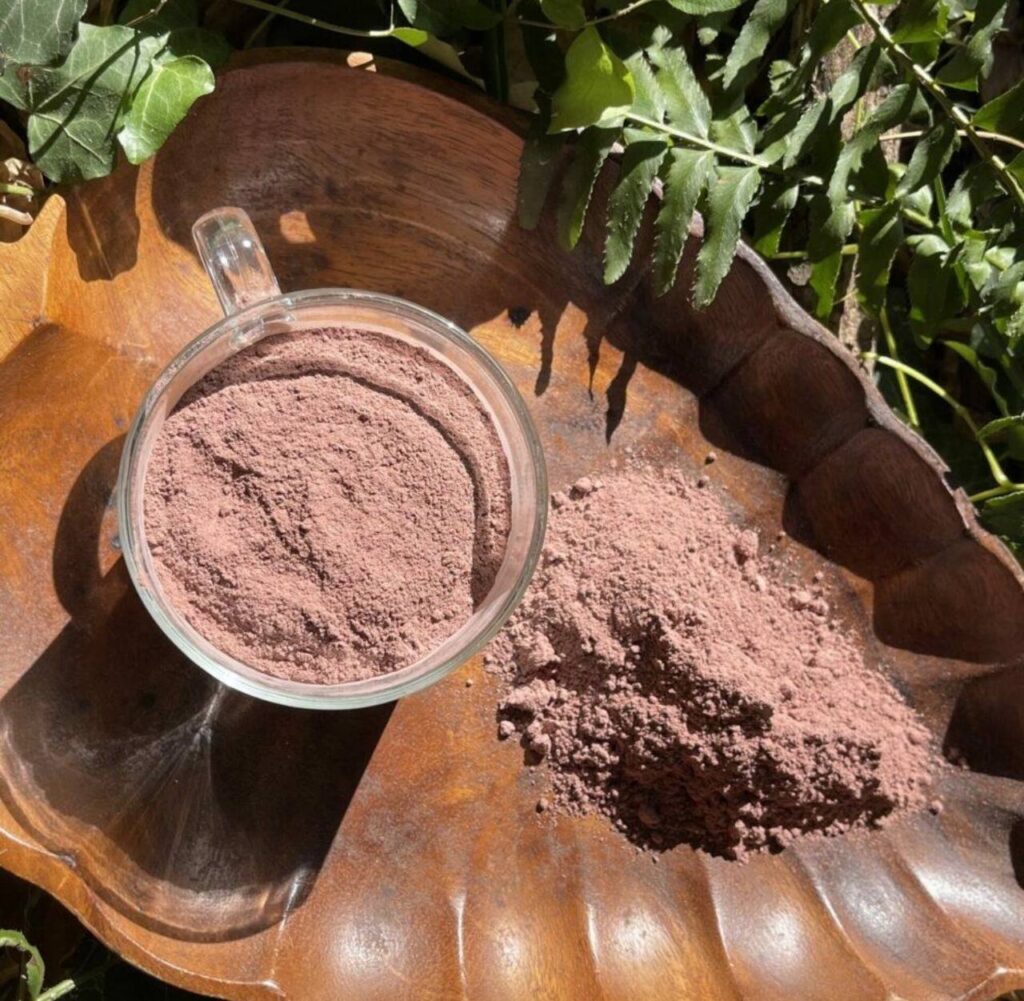
- Powder: finely ground for fast extraction, ideal for soap and small batches
- Chips: larger pieces for long simmers and tanning baths
What Is Mimosa Hostilis Root Bark Used For?
1. Natural textile dyeing
Dyers value it for deep reds, plums and violet-browns on natural fibers like cotton, linen, wool and silk. The final shade depends on your mordant and water pH:
- Alum mordant: warm rose-brown to soft plum
- Iron (ferrous sulfate): deep purple-grey to near black
- Modifiers: small pH changes shift the tone, so always test a swatch first
2. Leather and hide tanning
Because the bark is high in condensed tannins, it has traditionally been used for vegetable tanning. It’s popular with leatherworkers who prefer plant-based methods.
3. Soap making and cosmetic crafting
Crafters use the powder as a natural colorant for handmade soap, bath products and body butters, producing earthy taupe to plum tones. Color can shift in high-pH recipes like cold-process soap, so make a small test batch. Check colorant rules for your market if you sell finished products.
4. Wood stains, inks and art
Artists and woodworkers simmer the bark into natural inks and stains that give warm, aged tones.
How to Choose Quality Mimosa Hostilis Root Bark
Not all bark is equal. Here’s what to check before you buy.
Color and appearance. Good bark has a reddish-brown to deep purple-brown inner surface. Pale, grey or moldy-looking bark is a warning sign.
Dryness and freshness. Bark should be fully dried, with no damp smell or clumping. Moisture reduces shelf life and can lead to mold.
Particle size that matches your project. Choose powder for fast extraction and soap, shredded bark for regular dye baths, and chips for long tanning simmers.
No fillers or additives. Reputable sellers offer pure bark with nothing added.
Sourcing information. Look for sellers who state the origin and harvest practices. Responsible harvesting from mature trees matters for the long-term health of the species.
Clear labeling. A trustworthy listing gives the botanical name, weight, form and intended use. Be cautious of sellers who are vague about any of these.
How to Dye Fabric with Mimosa Hostilis Root Bark
A simple starting method:
- Scour your fabric to remove oils and finishes.
- Mordant the fabric (alum is a common choice for cellulose and protein fibers).
- Simmer the bark. Use roughly 50–100% of the fabric’s dry weight in bark. Simmer in water for about an hour, then strain.
- Add the fabric and simmer gently for another hour, stirring occasionally.
- Steep overnight for deeper color.
- Rinse and dry away from direct sunlight.
Tip: keep notes on quantities, mordant and water so you can repeat a shade you love.
How to Store Your Bark
Keep it in an airtight container in a cool, dry, dark place. Stored well, the bark keeps its color strength for a long time. Powder absorbs moisture faster than shredded bark, so seal it well.
Is It Legal to Buy Mimosa Hostilis Root Bark?
Rules vary by country and region, and they can change. Suppliers generally sell it for dye, tannin and craft use only, not for human or animal consumption. Before you order, check the laws that apply in your location, especially if you’re importing across borders. A responsible seller will state the intended use clearly.
Where to Buy Mimosa Hostilis Root Bark
When comparing options, weigh:
- Transparent sourcing and clear product descriptions
- Multiple forms and sizes, from small trial packs to bulk
- Resealable, moisture-resistant packaging
- Clear shipping and returns policies
- Customer reviews that mention actual color results
[Insert your product link and call to action here, e.g., “Shop our Mimosa hostilis root bark: shredded, powder and chips in sizes from 50 g to 1 kg.”]
Frequently Asked Questions
What is the difference between Mimosa hostilis and Mimosa tenuiflora?
They refer to the same plant. Mimosa tenuiflora is the current accepted name, and Mimosa hostilis is the older synonym still common in the trade.
What color does Mimosa hostilis root bark dye?
It ranges from rose-brown to deep plum and purple-black, depending on the mordant, water and concentration.
Is shredded bark or powder better for dyeing?
Both work. Powder extracts faster and suits small batches and soap, while shredded bark is easier to strain from large dye baths.
How much bark do I need?
A common starting point is 50–100% of your fabric’s dry weight. Stronger shades need more.
How long does the bark last?
Stored airtight in a cool, dry place, it stays usable for a long time, with color strength slowly fading over the years.
Final Thoughts
Mimosa hostilis root bark is a rewarding material for natural dyers, leatherworkers and soap makers. Choose clean, well-dried bark from a transparent supplier, match the cut to your project, and always test a small swatch before committing to a big batch.
