
Premium Shredded Mexican Mimosa Hostilis Inner Root Bark (MHRB): The Complete Product Guide
Introduction
Among natural dye enthusiasts, leatherworkers, and botanical crafters, Mimosa Hostilis (Mimosa tenuiflora) root bark has earned a reputation as one of the most reliable plant-based sources of rich, warm pigment and natural tannins. While Brazil is frequently cited as the classic origin for this material, Mexico’s native populations of the species produce root bark of comparable quality — and premium shredded Mexican MHRB has become a go-to choice for crafters who want a balance of convenience, control, and authentic natural character.
This guide explores what makes shredded Mexican inner root bark unique, how to evaluate quality, practical usage techniques, and everything else you need to know before adding this material to your natural dyeing or craft toolkit.
The Species Behind the Product: Mimosa Hostilis
Mimosa Hostilis is a thorny, drought-tolerant tree that thrives in some of the most challenging growing conditions across the Americas. In Mexico, it grows naturally throughout arid and semi-arid regions, where intense sunlight, mineral-dense soil, and extended dry seasons push the tree to develop a particularly tannin-rich root system — the very feature that makes its inner bark so valuable to natural dyers and tanners.
The inner root bark, specifically, is the target material. It sits beneath the outer bark layer and contains the highest concentration of the tannins and coloring compounds responsible for the deep reddish-brown pigment this species is known for. Bark harvested from other parts of the tree — such as the trunk, branches, or outer bark — simply doesn’t offer the same potency.
Why Shredded Format? Understanding the Middle Ground
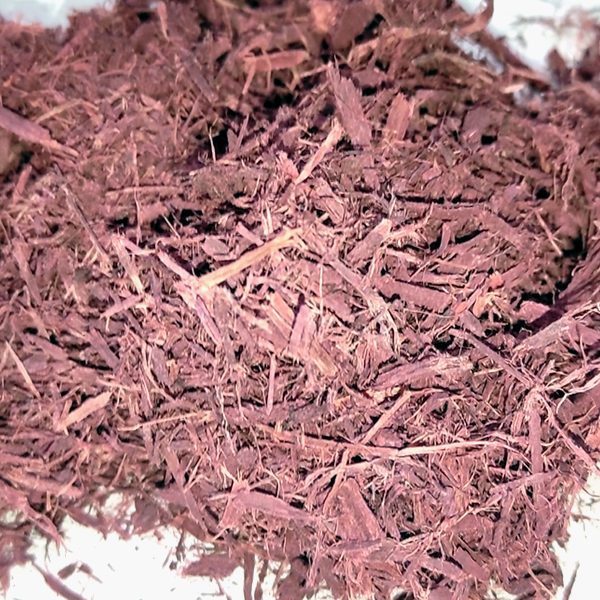
Root bark is typically sold in one of three primary formats: whole chopped pieces, shredded bark, or fine-milled powder. Shredded bark occupies a practical middle ground between the two extremes, and it’s a format many experienced crafters gravitate toward for good reason.
Balanced extraction speed. Shredded bark releases its pigment and tannins faster than large whole chopped pieces, but more gradually than fine powder — giving you meaningful control over the dyeing process without requiring an overnight steep.
Manageable straining. The pieces are small enough to extract color efficiently, yet large enough to strain easily with a standard mesh strainer or cheesecloth, avoiding the fine sediment that can linger in dye baths made with powder.
Visual quality assessment. Unlike powder, shredded bark lets you actually see the material’s texture, color, and consistency before you use it — an easy way to spot signs of poor drying, contamination, or low-grade sourcing.
Versatility across projects. Shredded bark performs well whether you’re doing a quick weekend dye project or a longer, traditional tanning process, making it one of the more flexible formats available.
What Defines “Premium” Shredded Mexican MHRB
Given how much quality varies across suppliers in this market, it helps to know exactly what separates a premium product from a mediocre one.
Sourced exclusively from inner root bark. Premium shredded bark should never be diluted or bulked out with lower-tannin stem or outer bark material.
Harvested from mature trees. Mature Mimosa Hostilis trees produce noticeably richer, more concentrated pigment than younger specimens — a factor that has a bigger impact on final dye results than most buyers realize.
Properly dried before shredding. Bark that isn’t fully dried prior to processing is prone to mold growth and inconsistent color development. Careful drying practices are a hallmark of quality-focused suppliers.
Consistent piece size. While shredded bark is naturally less uniform than powder, premium product should still show reasonably consistent shredding rather than a chaotic mix of dust, fragments, and oversized chunks.
Deep, even coloration. Rich reddish-brown tones throughout the bark — rather than pale, faded, or patchy coloring — are a strong visual indicator of proper harvest timing and post-harvest handling.
Clean packaging and storage. Airtight, moisture-resistant packaging protects the bark’s tannin content from the moment it’s processed until it reaches your workspace.
Primary Applications for Shredded Mexican Root Bark
Natural Textile and Fiber Dyeing
This is the most common and popular use of shredded MHRB. When properly simmered and combined with an appropriate mordant, it produces a warm range of natural colors spanning soft dusty rose, terracotta, rust, and deep chocolate brown.
Fibers that respond particularly well include:
- Cotton and linen
- Wool and silk
- Hemp and jute
- Natural fibers used in basketry and cordage
Shredded bark’s manageable piece size makes it especially practical for larger dye batches, where straining fine powder from bigger volumes of liquid would be tedious and time-consuming.
Traditional Leather Tanning
Natural tannins have been used in leather preparation for centuries, and Mimosa Hostilis bark fits well within traditional vegetable tanning approaches. Shredded bark’s moderate extraction speed suits slow-steeping tanning liquors, where sustained contact between bark and solution over time is part of the process.
Botanical Crafts and Natural Décor
Beyond functional dyeing and tanning, shredded bark’s visible, organic texture makes it a popular choice for:
- Rustic potpourri and natural sachet blends
- Botanical art and mixed-media craft projects
- Educational displays in natural dye workshops
- Decorative filler for natural-themed arrangements
Step-by-Step: How to Use Shredded Mexican MHRB
- Weigh your bark. Standard natural dyeing recipes typically call for a bark-to-fiber weight ratio, which you can adjust based on desired color intensity.
- Simmer to extract pigment. Add the shredded bark to water and bring to a gentle simmer, allowing it to steep for an extended period — often an hour or more — to fully draw out the tannins.
- Strain the dye liquid. Use a mesh strainer or cheesecloth to remove the bark pieces, leaving behind a clean, richly colored liquid.
- Mordant your fiber. Pre-treat your fabric or fiber with a mordant such as alum to improve dye absorption and long-term colorfastness.
- Dye your material. Submerge the prepared fiber into the strained dye bath, simmering gently and stirring occasionally for even color uptake.
- Rinse and dry. Rinse thoroughly until the water runs clear, then dry away from direct sunlight to help set the final color.
Because shredded bark releases pigment gradually, many dyers successfully reuse the same batch for a second, lighter-toned dye round — a practical way to stretch your material further.
Comparing Shredded Bark to Other Formats
| Feature | Shredded (this product) | Whole Chopped | Fine-Milled Powder |
|---|---|---|---|
| Extraction speed | Moderate | Slowest | Fastest |
| Straining ease | Simple with mesh/cloth | Very easy | Requires fine filtration |
| Visual quality check | Easy | Easiest | Difficult |
| Best suited for | General dyeing, tanning | Long, slow tanning liquors | Quick, precise dye baths |
| Reusability | Often reusable | Frequently reusable | Typically single-use |
For most general-purpose natural dyeing and craft projects, shredded bark hits a practical sweet spot — offering meaningful control without demanding the extended patience that whole chopped bark requires.
Evaluating Sellers and Avoiding Low-Quality Product
Because this is a specialty botanical market, quality control varies widely between sellers. When shopping, watch for:
- Vague or missing origin information — reputable sellers should be able to speak to the general region within Mexico where the bark was harvested
- Unrealistically low prices, which often indicate diluted or improperly harvested material
- Poor or inconsistent product photography that doesn’t clearly show the actual shredded bark
- No indication of drying or processing standards
- Weak, non-airtight packaging that risks moisture damage during shipping
On the other hand, trustworthy sellers typically offer clear format descriptions, transparent sourcing details, and packaging designed to preserve potency.
Sustainability Considerations
Mimosa Hostilis is a fast-growing, resilient species that has supported harvesting communities across Mexico for generations. As global demand for natural dye and craft materials continues to rise, choosing suppliers committed to responsible, sustainable harvesting practices helps protect wild populations and support the long-term availability of this valuable natural resource.
Important Usage Disclaimer
This product is sold strictly for legal, non-consumption purposes, including natural fiber and textile dyeing, traditional leather tanning, botanical crafts, and decorative or educational use. It is not intended for human consumption. Buyers are responsible for understanding and complying with all applicable local laws and regulations regarding its use.
Frequently Asked Questions
What’s the difference between shredded and whole chopped Mexican MHRB?
Shredded bark is cut into smaller, more manageable pieces than whole chopped bark, offering faster extraction and easier handling while still being simple to strain.
Can shredded bark be used for both dyeing and tanning?
Yes — its moderate extraction speed makes it versatile enough for standard dye baths as well as slower, traditional tanning liquors.
How long should I simmer shredded bark for the best color?
Simmering for an hour or more typically allows for thorough pigment extraction, though exact timing can vary based on desired shade intensity.
How do I know if the bark I received is high quality?
Look for consistent, deep reddish-brown coloring, minimal dust or debris, and a fibrous texture free of mold or excessive moisture.
What’s the best way to store shredded MHRB long-term?
Keep it in a sealed, airtight container in a cool, dry place away from direct sunlight to preserve its natural tannin potency.
Mimosa Hostilis Inner Root Bark
Premium shredded Mexican Mimosa Hostilis inner root bark offers natural dyers, leatherworkers, and craft enthusiasts a practical, versatile material that balances extraction efficiency with ease of use. Sourced from mature trees in Mexico’s native growing regions and shredded with care, it delivers the rich, earthy tones and functional reliability that have made Mimosa Hostilis root bark a staple across generations of natural crafting traditions.
Whether you’re dyeing your first batch of naturally colored fiber or working through a traditional leather tanning process, quality shredded bark — properly sourced and thoughtfully processed — will consistently deliver the deep, beautiful results that make natural materials so rewarding to work with.
| QUANTITY | 1KG, 2KG, 3KG, 4KG, 5KG, 10KG, 15KG, 25KG, 50KG |
|---|
Be the first to review “Premium Shredded Mexican Mimosa Hostilis Inner Root Bark (MHRB)”
Related products
Mexican Mimosa Hostilis
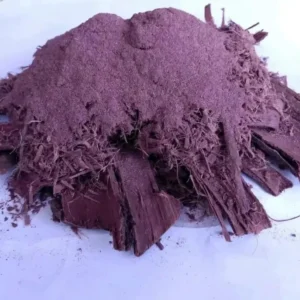
Mexican Mimosa Hostilis Root Bark (MHRB) | Premium Fine-Milled Powder
Mexican Mimosa Hostilis
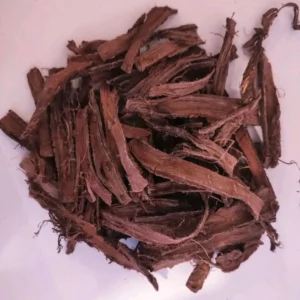
Premium Mexican Mimosa Hostilis Inner Root Bark (MHRB) Powder
Mexican Mimosa Hostilis
Mexican Mimosa Hostilis
Reviews
There are no reviews yet.