

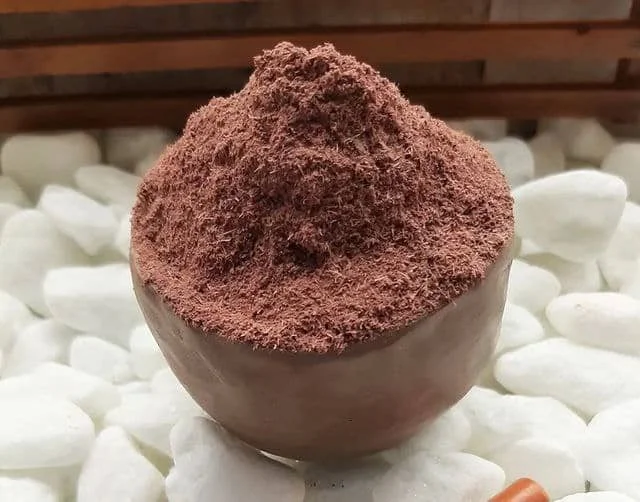
Mimosa Hostilis Inner Root Bark (MHRB) – Premium Shredded
Price range: $188.00 through $4,200.00
Buy our Mimosa Hostilis root bark near you
Our authentic Mimosa Hostilis ingivener root bark is ethically harvested from mature root systems using sustainable practices, preserving its natural fibers

Mimosa Hostilis Inner Root Bark (MHRB) – Premium Shredded: A Complete Buyer’s Guide
Introduction to Shredded Mimosa Hostilis Root Bark
Mimosa Hostilis (Mimosa tenuiflora) has earned a devoted following among natural dyers, fiber artists, leatherworkers, and botanical crafters worldwide. While the powdered form of this root bark gets plenty of attention, the shredded form offers its own distinct advantages — and for many experienced users, it’s actually the preferred format for certain applications.
Premium shredded MHRB consists of coarser, torn or cut pieces of the inner root bark rather than a fine powder. This seemingly simple difference in processing changes how the material behaves in water, how long it releases pigment, and how it performs across different craft and dyeing techniques.
If you’re deciding between shredded and powdered root bark, or you’re simply looking to understand what makes a shredded product “premium,” this guide covers everything you need to know.
What Makes Shredded MHRB Different From Powder?
The core botanical material is the same — the pigment-rich inner layer of root bark harvested from mature Mimosa Hostilis trees. What differs is the processing method and, as a result, the practical experience of using it.
Larger surface fragments mean the bark releases its tannins and color compounds more gradually during a simmer, rather than all at once. This slower extraction can give crafters more control over the dyeing process, especially when building color in stages.
Easier straining. Because the pieces are larger than powder particles, shredded bark is simpler to strain out of a dye bath using a standard mesh strainer or cheesecloth — no fine sediment left behind in your liquid.
Better visibility of quality. With shredded bark, you can actually see the material — its color, thickness, and consistency — which makes it easier to visually assess quality before you even start your project.
Ideal for simmering and steeping methods that benefit from longer contact time, such as slow-extraction dye baths or traditional tanning liquors.
The Importance of Sourcing: Why Origin Matters
Not all Mimosa Hostilis bark is created equal, and this is especially true when it comes to root bark versus stem bark, or immature versus mature harvests. Premium shredded MHRB should come specifically from the inner root bark — the most pigment-dense part of the plant — rather than lower-quality stem bark or bark harvested from underdeveloped trees.
Authentic, high-grade product typically shares these characteristics:
- Harvested from naturally mature Mimosa Hostilis trees grown in Brazil’s native semi-arid regions
- Sourced specifically from root bark, not branch or trunk bark
- Processed shortly after harvest to preserve tannin content
- Free of dirt, foreign plant matter, mold, or excessive dust
- Deep reddish-brown color with visible fibrous texture
Buyers should be cautious of unusually cheap listings, as lower-priced shredded bark is sometimes cut with lower-grade plant material or harvested from immature trees, both of which significantly reduce pigment yield.
Primary Uses for Shredded Mimosa Hostilis Root Bark
Natural Fiber and Textile Dyeing
This is by far the most popular application. Shredded root bark produces a beautiful range of natural tones — from soft blush and terracotta to deep rust and chocolate brown — depending on dye bath strength, simmer time, and mordant.
Best-suited fibers include:
- Cotton
- Linen
- Wool
- Silk
- Hemp
- Natural basket-weaving reeds and fibers
Many dyers specifically prefer shredded bark for large-batch dye projects because it’s easier to measure, handle, and remove from the pot compared to powder, which can cling to fibers and require extra rinsing.
Traditional and Craft Leather Tanning
Historically, root barks rich in natural tannins — like Mimosa Hostilis — have been used in vegetable tanning processes. The shredded form is particularly well suited to slow-steeping tanning liquors, where extended contact time between bark and liquid is part of the traditional method.
Botanical Art and Rustic Craft Projects
Shredded bark’s natural, fibrous texture also makes it popular for:
- Decorative filler in rustic or botanical-themed craft displays
- Natural potpourri and sachet blends
- Hand-dyed paper and fiber art
- Educational or demonstration use in natural dye workshops
Its visual texture adds an organic, tactile element that powdered bark simply can’t replicate — many crafters use it in décor precisely because it looks like a natural, unprocessed botanical.
How to Use Shredded MHRB: A Step-by-Step Overview
- Measure your bark. Shredded bark is typically used in slightly higher quantities than powder for equivalent pigment strength, since less surface area is exposed at once.
- Simmer to extract color. Add the shredded bark to water and simmer gently — many natural dyers let it steep for an extended period, sometimes over multiple hours, to fully draw out the tannins.
- Strain thoroughly. Use a mesh strainer or cheesecloth to remove the bark pieces, leaving a rich, pigmented dye liquid.
- Prepare your fiber with a mordant. Alum is a common, accessible mordant for beginners and helps the natural dye bind more permanently to fibers.
- Dye your material. Submerge your prepared fiber in the strained dye bath, simmering and stirring periodically for even color uptake.
- Rinse, dry, and cure. Rinse until water runs clear, then dry away from direct sunlight to help set and stabilize the color.
Because shredded bark releases pigment more gradually, many experienced dyers actually reuse the same bark for a second, lighter-toned batch — getting more value out of each purchase.
Shredded vs. Powder: Which Should You Choose?
| Consideration | Shredded MHRB | Powdered MHRB |
|---|---|---|
| Extraction speed | Slower, more gradual | Faster, more immediate |
| Straining ease | Simple with mesh/cloth | Requires finer filtration |
| Visual quality check | Easy to inspect | Harder to assess visually |
| Best for | Simmered dye baths, tanning liquors | Quick dye baths, fine textile work |
| Reusability | Often reusable for lighter batches | Typically single-use |
Neither format is objectively “better” — the right choice depends on your project, your preferred workflow, and how much control you want over the extraction process.
What Defines “Premium” Shredded MHRB
When shopping for this product, premium quality typically comes down to a handful of key factors:
Purity of inner root bark — free from stem bark, twigs, leaves, or other plant debris that dilute pigment concentration.
Rich, consistent color — a deep reddish-brown hue throughout, rather than pale or inconsistent coloring, which often signals immature or improperly harvested bark.
Clean processing — minimal dust, dirt, or foreign matter, indicating careful post-harvest handling.
Proper drying and storage — bark that has been dried correctly resists mold and retains tannin potency far longer than improperly cured material.
Transparent sourcing — sellers who can speak to the origin, harvesting region, and handling practices of their product.
Sustainability and Responsible Sourcing
Mimosa tenuiflora is a fast-growing, resilient species native to Brazil’s Caatinga region, and it has supported generations of local harvesters. Choosing suppliers who prioritize sustainable, responsible harvesting practices helps ensure this valuable natural resource remains available for future crafters, dyers, and artisans — without placing unnecessary strain on wild populations.
Important Usage Note
This product is intended strictly for legal, non-consumption purposes, including natural fiber dyeing, leather tanning, botanical crafts, and educational or ornamental use. It is not intended for human consumption. Buyers are responsible for understanding and complying with all applicable local regulations regarding its use.
Frequently Asked Questions
Is shredded bark stronger or weaker than powder for dyeing?
Neither is inherently stronger — shredded bark releases pigment more gradually, often requiring longer simmer times, while powder extracts more quickly.
Can I reuse shredded root bark for multiple dye batches?
Yes, many dyers get a second, lighter-toned batch from the same shredded bark due to its slower, more gradual pigment release.
What’s the best mordant to use with this bark?
Alum is the most beginner-friendly and widely used mordant for achieving strong, long-lasting color with natural root bark dyes.
How should I store shredded MHRB?
Store in a cool, dry place inside an airtight container, away from moisture and direct sunlight, to preserve tannin potency.
Does the shredded form work for leather tanning?
Yes — its coarser texture and gradual tannin release make it well suited to traditional, slow-steeping vegetable tanning methods.
Mimosa Hostilis root bark
Premium shredded Mimosa Hostilis inner root bark offers a distinctive, hands-on alternative to powdered forms — prized by fiber artists, natural dyers, and leatherworkers who value control, visible quality, and the rich, earthy tones this botanical material is known for. Sourced responsibly from mature Brazilian root systems and processed with care, it remains a staple material for anyone passionate about natural, sustainable craft practices.
Whether you’re building your first natural dye bath or refining a traditional tanning process, choosing high-quality, properly sourced shredded root bark will make a noticeable difference in your results — batch after batch. Mimosa Hostilis root bark
| QUANTITY | 1KG, 2KG, 4KG, 5KG, 10KG, 15KG, 25KG, 50KG |
|---|
Be the first to review “Mimosa Hostilis Inner Root Bark (MHRB) – Premium Shredded”
Related products
Brazilian Mimosa Hostilis
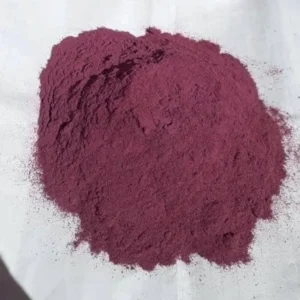
Brazilian Mimosa Hostilis (MHRB) | Cold-Milled Inner Root Bark Powder
Reviews
There are no reviews yet.