
Premium Mexican Mimosa Hostilis Root Bark for Sale: A Buyer’s Complete Guide
Introduction: Finding Quality Mexican MHRB
If you’re searching for premium Mexican Mimosa Hostilis root bark for sale, you’ve likely already discovered how inconsistent quality can be across suppliers in this niche market. Between vague sourcing claims, unclear processing methods, and wildly varying prices, choosing the right product can feel overwhelming — especially if you’re new to natural dyeing, traditional tanning, or botanical craftwork.
This guide is designed to help you shop smarter. We’ll walk through what genuinely defines premium Mexican Mimosa Hostilis root bark, what red flags to watch for when buying, how to evaluate sellers, and how to get the most value and performance out of your purchase.
What Is Mimosa Hostilis Root Bark, and Why Mexican Sourcing?
Mimosa Hostilis (Mimosa tenuiflora) is a hardy, drought-resistant tree native to arid and semi-arid regions across the Americas, with Mexico hosting substantial wild and cultivated populations, particularly in its drier interior and southern zones. The tree’s inner root bark contains a dense concentration of natural tannins and pigments, making it one of the most effective plant-based dyeing and tanning materials available today.
Mexican-sourced root bark has become increasingly popular among natural crafters for several reasons:
Favorable growing conditions. Mexico’s semi-arid climate zones share key characteristics with other prime Mimosa Hostilis growing regions — intense sun exposure, well-drained mineral soil, and extended dry seasons that concentrate tannins within the root system.
Regional harvesting traditions. Communities across parts of Mexico have long-standing familiarity with this species, often applying generational knowledge to harvesting and post-harvest handling.
Increasing accessibility. As demand for natural dye materials grows in the U.S. and beyond, Mexican MHRB has become a more widely available and often more affordably priced option compared to some other origins, without necessarily sacrificing quality.
What “Premium” Actually Means When Buying MHRB
The word “premium” gets used loosely across this market, so it’s worth breaking down what should actually back up that claim.
1. True Inner Root Bark Sourcing
Premium bark should come exclusively from the inner root bark layer — the most tannin- and pigment-dense part of the plant. Lower-quality or mislabeled products sometimes mix in outer bark, stem bark, or branch material, all of which significantly reduce dye strength and tanning effectiveness.
2. Maturity of the Source Tree
Bark harvested from fully mature trees consistently produces deeper, richer pigment than bark taken from younger, underdeveloped specimens. This is one of the biggest — and least visible — factors separating premium root bark from mediocre product.
3. Proper Drying and Processing
Root bark that hasn’t been dried correctly is prone to mold, inconsistent color, and reduced shelf stability. Reputable suppliers dry bark thoroughly before shredding, chopping, or milling it, preserving both potency and safety.
4. Format-Appropriate Processing
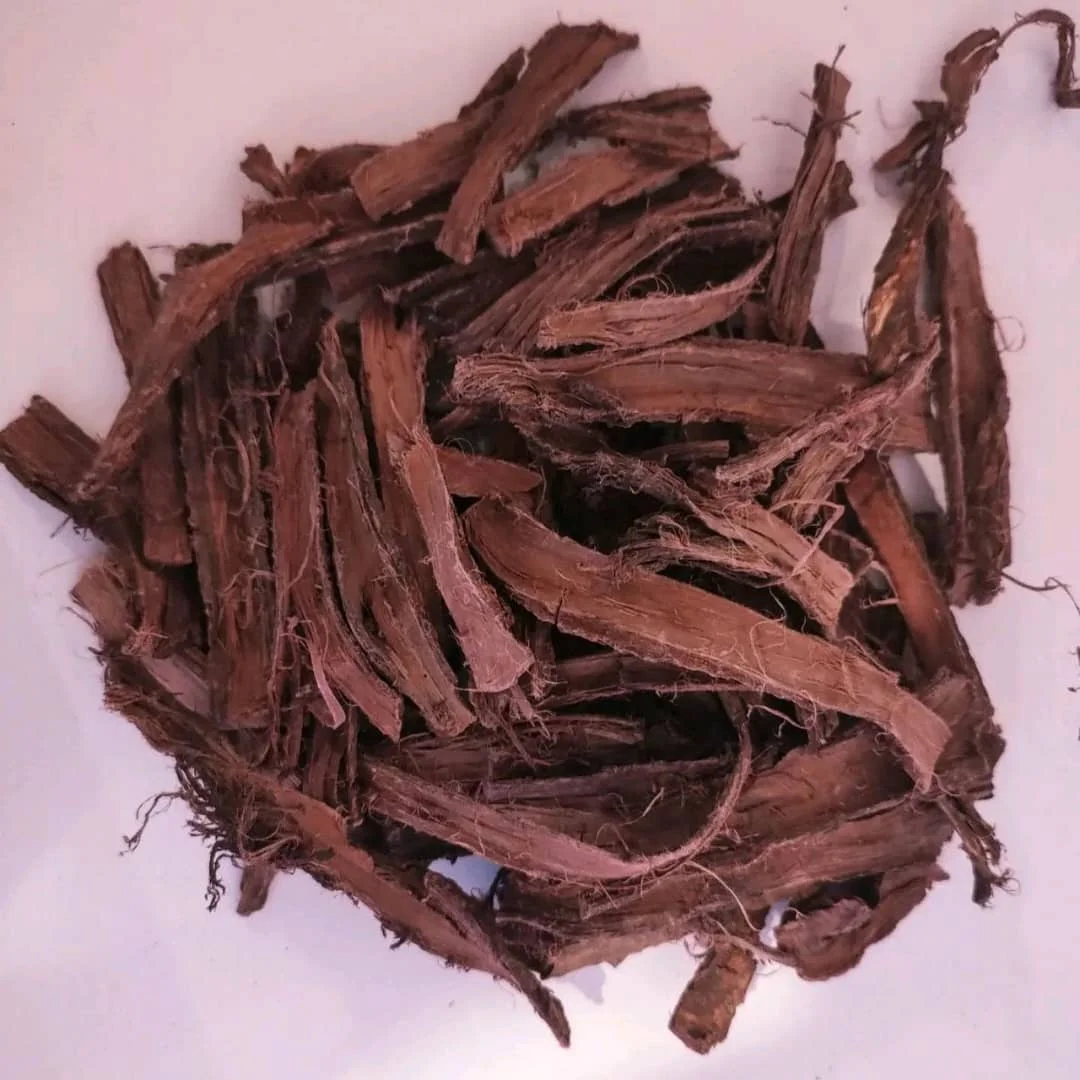
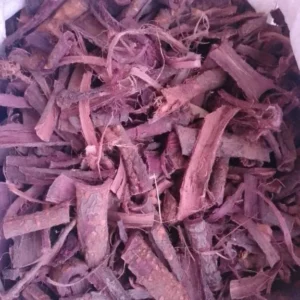
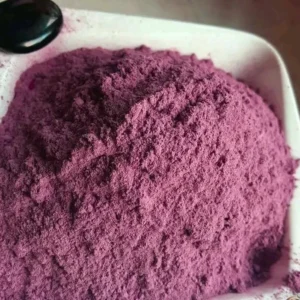
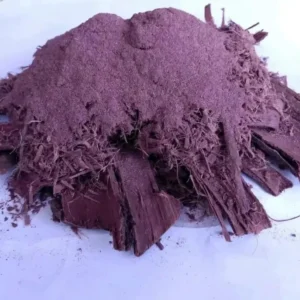
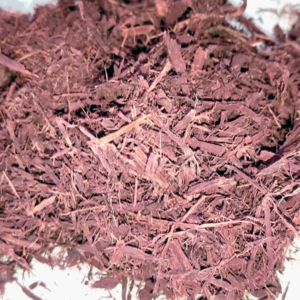
Whether you’re buying whole chopped bark, shredded bark, or fine-milled powder, the processing should match its intended format consistently — no filler dust bulking out shredded bark, no oversized chunks contaminating a “powder” listing.
5. Transparent, Verifiable Sourcing
Sellers who can clearly explain where in Mexico their bark is harvested, how it’s processed, and what quality controls are in place are far more trustworthy than vague listings offering no origin details at all.
Red Flags to Watch for When Buying MHRB
Not every listing selling “premium Mexican Mimosa Hostilis root bark” lives up to that description. Watch for these warning signs:
Prices that seem too good to be true. Genuine, properly harvested and processed root bark has real production costs. Extremely cheap listings often indicate diluted, low-grade, or improperly sourced material.
No mention of origin or harvesting practices. Trustworthy sellers are typically happy to discuss where their bark comes from. Vague or evasive answers are a red flag.
Inconsistent product photos or descriptions. Stock photography that doesn’t match the actual product, or descriptions that seem copied from other unrelated listings, often indicate a reseller with little direct knowledge of the product’s actual quality.
No batch or quality information. Reputable sellers usually offer some indication of consistency between batches, especially for repeat customers who rely on predictable color results.
Poor packaging. Bark that arrives in flimsy, non-airtight packaging is more susceptible to moisture damage, mold, and potency loss — even if the bark itself was originally high quality.
What to Look for in a Reputable Seller
When evaluating where to buy premium Mexican Mimosa Hostilis root bark, consider the following checklist:
- Clear product format labeling (whole chopped, shredded, or fine-milled powder) with accurate descriptions of texture and appearance
- Origin transparency, including general region of harvest within Mexico
- Responsive customer service willing to answer sourcing and quality questions
- Positive, detailed customer reviews that speak to color results and product consistency, not just shipping speed
- Reasonable, market-consistent pricing rather than suspiciously low or inflated costs
- Secure, moisture-resistant packaging designed to preserve potency during shipping and storage
Choosing the Right Format for Your Needs
Mexican MHRB is typically available in a few different processing formats, each suited to different applications:
Whole chopped bark — best for slow, traditional simmering methods and tanning liquors where extended extraction time is part of the process.
Shredded bark — a versatile middle ground, offering easier straining than powder with faster extraction than whole chopped pieces.
Fine-milled powder — ideal for quick, precise dye baths where fast extraction and even dispersal matter most, particularly for delicate fibers like silk.
If you’re unsure which format suits your project, consider your intended use: long-simmer tanning projects generally favor coarser bark, while efficient, repeatable dyeing projects often benefit from fine powder.
How Premium Mexican MHRB Is Typically Used
Natural Textile and Fiber Dyeing
By far the most common application, MHRB produces a warm spectrum of natural colors — from soft blush pink to deep rust, mahogany, and rich chocolate brown — depending on concentration, simmer time, and mordant used. It performs particularly well on cotton, linen, silk, wool, and hemp.
Traditional Leather Tanning
The natural tannin content supports traditional vegetable tanning methods, where root bark liquor is used to treat and preserve hides over an extended soaking or simmering period.
Botanical Crafts and Natural Art
From hand-dyed paper to rustic potpourri blends and natural pigment experimentation, MHRB’s rich color and organic character make it a favorite material among makers pursuing authentic, plant-based craft projects.
Tips for Getting the Best Results From Your Purchase
- Start with a small test batch before committing your full supply to a large project, especially with a new supplier or batch.
- Record your process — water ratios, simmer times, and mordant amounts — so you can replicate successful color results in future batches.
- Store leftover bark properly in an airtight container away from moisture, heat, and direct sunlight to preserve potency between uses.
- Match your mordant to your fiber type for the best colorfastness and depth of color.
- Don’t judge quality on color alone until dyed — dry bark color can sometimes be misleading; the true test is how it performs in an actual dye bath.
Sustainability Matters
As demand for natural dye materials continues to grow, sourcing responsibly matters more than ever. Mimosa Hostilis is a resilient, fast-growing species, but responsible harvesting practices help ensure long-term availability and support the communities and ecosystems tied to its growth. When comparing sellers, it’s worth considering not just price and quality, but also whether a supplier demonstrates genuine commitment to sustainable sourcing.
Important Usage Disclaimer
This product is sold strictly for legal, non-consumption purposes, including natural fiber and textile dyeing, traditional leather tanning, botanical art, and decorative or educational applications. It is not intended for human consumption. Buyers are responsible for researching and complying with all applicable local laws and regulations regarding its use.
Frequently Asked Questions
What makes Mexican Mimosa Hostilis root bark different from Brazilian bark?
Both share the same species and general properties, though differences in regional soil, climate, and harvesting traditions can produce subtle variations in tannin concentration and color depth.
What format should beginners start with?
Shredded bark is often a good middle-ground choice for beginners — easier to strain than powder, with faster extraction than whole chopped bark.
How can I tell if a seller’s bark is genuinely premium quality?
Look for transparency about origin and harvesting, consistent and detailed product descriptions, positive reviews focused on color results, and pricing that reflects genuine production costs.
How long does properly stored root bark stay potent?
When stored in an airtight container away from moisture and sunlight, quality root bark can retain its dyeing strength for an extended period, though freshness generally improves results.
Is more expensive always better when buying MHRB?
Not necessarily — while extremely cheap listings are a red flag, price alone isn’t a guarantee of quality. Look at sourcing transparency, reviews, and product descriptions together.
Mimosa Hostilis root bark
Finding genuinely premium Mexican Mimosa Hostilis root bark for sale comes down to looking past marketing language and focusing on the details that actually matter: true inner root bark sourcing, proper maturity and drying, transparent harvesting practices, and format-appropriate processing. Armed with the right questions and a clear understanding of what separates quality product from filler-diluted alternatives, you’ll be well-equipped to choose a supplier — and a product — that delivers rich, reliable, natural results for your dyeing, tanning, or craft projects.
| QUANTITY | 1KG, 2KG, 3KG, 4KG |
|---|
Be the first to review “Premium Mexican Mimosa Hostilis Root Bark for Sale”
Related products
Mexican Mimosa Hostilis
Mexican Mimosa Hostilis
Mexican Mimosa Hostilis Root Bark (MHRB) | Premium Fine-Milled Powder
Mexican Mimosa Hostilis
Premium Mexican Mimosa Hostilis Inner Root Bark (MHRB) Powder
Mexican Mimosa Hostilis
Premium Shredded Mexican Mimosa Hostilis Inner Root Bark (MHRB)
Reviews
There are no reviews yet.