Premium Mexican Mimosa Hostilis Inner Root Bark (MHRB) Powder
Price range: $150.00 through $4,489.99
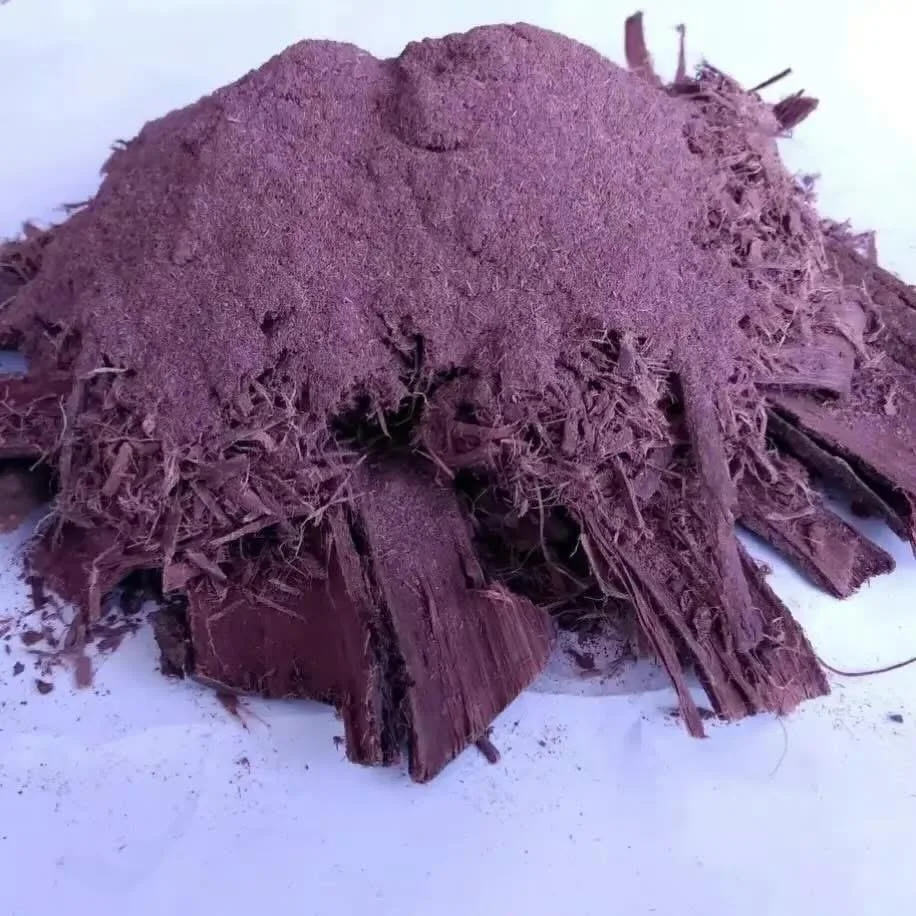
Mimosa Hostilis root bark powder.
✔️ 100% Authentic Mexican Mimosa Hostilis
✔️ Sustainably and ethically sourced
✔️ Finely powdered for consistency and convenience
✔️ Deep purple color – premium inner root bark quality
✔️ Carefully selected and inspected batches
Mexican Mimosa Hostilis Root Bark (MHRB) | Premium Fine-Milled Powder: The Complete Guide
Introduction to Mexican Fine-Milled MHRB
Mimosa Hostilis (Mimosa tenuiflora) has long been recognized as one of nature’s most versatile sources of natural pigment and tannin. While Brazil often dominates conversations around this botanical, Mexico is home to thriving native populations of the species, particularly across its arid and semi-arid interior regions. Mexican-sourced Mimosa Hostilis root bark, when processed into a premium fine-milled powder, offers natural dyers, crafters, and artisans a potent, ready-to-use material with its own distinct regional character.
Fine-milled powder represents the most processed end of the MHRB spectrum — root bark ground down into a smooth, consistent powder that dissolves readily and extracts pigment quickly. For crafters who want fast results, precise measurement, and maximum surface area for extraction, this format is often the go-to choice.
This guide covers everything you need to know about premium Mexican fine-milled MHRB powder — from sourcing and quality markers to practical application across dyeing, tanning, and craft projects.
Why Mexican-Sourced Root Bark Stands Out
Mimosa Hostilis grows wild across large stretches of Mexico’s drier regions, where intense sunlight, well-drained mineral soil, and long dry seasons create favorable conditions for the tree to develop dense, tannin-rich root systems — the same environmental pressures that make Caatinga-region Brazilian bark so prized.
Long-standing regional familiarity. Communities across parts of Mexico have recognized the properties of this root bark for generations, and that accumulated harvesting knowledge often translates into careful, experience-driven processing practices.
Comparable climate advantages. The semi-arid growing conditions found across much of Mexico closely mirror those that produce high-tannin, deeply pigmented root bark elsewhere — meaning well-sourced Mexican bark can rival other origins in color strength and quality.
Growing availability. As demand for natural, plant-based dyeing and tanning materials has increased worldwide, Mexican MHRB has become an increasingly accessible and cost-effective alternative for crafters seeking authentic, root-sourced bark.
Why Fine-Milled Powder Is the Preferred Format for Many Users
Milling method and fineness dramatically affect how root bark performs in practice. Fine-milled powder offers several distinct advantages over shredded or whole chopped bark:
Rapid pigment extraction. The increased surface area of finely milled powder allows tannins and coloring compounds to release into water quickly, cutting down significantly on simmer time compared to coarser formats.
Smooth, even application. Fine powder disperses evenly throughout a dye bath, reducing the risk of blotchy, inconsistent color that can sometimes occur with unevenly distributed coarse material.
Precise measurement. Powder is easy to weigh accurately for repeatable results — a major advantage for crafters who dye in batches and want consistent color matching from one project to the next.
Efficient use of material. Because extraction is faster and more thorough, less bark is often needed per batch to achieve strong, saturated color compared to shredded or whole forms.
Versatility beyond dyeing. Fine powder blends easily into pastes, creams, and mixed craft applications where a smooth, lump-free texture is essential.
Popular Applications for Mexican Fine-Milled MHRB Powder
Natural Fiber and Textile Dyeing
This remains the single most popular use for fine-milled root bark powder. When properly extracted and applied with a mordant, it produces a beautiful spectrum of natural tones — from delicate blush pink to deep rust, mahogany, and chocolate brown, depending on concentration and dye time.
Fibers that take the dye particularly well include:
- Cotton
- Linen
- Silk
- Wool
- Hemp
- Natural cellulose fibers used in paper-making and basketry
Fine powder is especially popular among dyers working with delicate fibers like silk, where a smooth, evenly dispersed dye bath helps avoid uneven blotching or residue.
Leather Tanning and Traditional Finishing
The natural tannin content in Mimosa Hostilis bark has made it a historical component of vegetable tanning processes. Fine-milled powder allows for quicker tannin release into a tanning solution, which some artisans prefer when working on smaller pieces or when time efficiency matters.
Art, Craft, and Natural Pigment Projects
Beyond textiles, fine powder’s smooth consistency makes it well-suited for:
- Natural ink and dye experimentation
- Hand-dyed paper and botanical printmaking
- Wood staining accents
- Blended natural pigment projects requiring a lump-free base
Decorative and Aromatic Uses
Some crafters incorporate the powder into potpourri, sachets, or rustic décor blends, drawn to both its earthy, natural aroma and its rich reddish-brown coloring.
How to Use Fine-Milled MHRB Powder: A Step-by-Step Guide
- Prepare your fiber. Scour your material thoroughly and treat it with a mordant such as alum to improve dye absorption and colorfastness.
- Create your dye bath. Combine the fine powder with water and simmer gently — extraction happens relatively quickly due to the powder’s fine texture and high surface area.
- Strain carefully. Because the particles are so fine, a fine-mesh strainer or several layers of cheesecloth work best to remove sediment and achieve a clean dye liquid.
- Add your fiber. Submerge your prepared material into the strained dye bath, simmering and stirring gently for even color uptake.
- Monitor your shade. Fine powder allows for relatively fast visual feedback, so you can check color development frequently and adjust simmer time to taste.
- Rinse and dry. Rinse until water runs clear and hang to dry away from direct sunlight to help set the color.
Because extraction is efficient with fine powder, most crafters use it as a single-batch material rather than reusing it for a second lighter dye round, unlike coarser bark formats. Mimosa Hostilis root bark
What Defines Premium Quality in Fine-Milled Powder
Not all fine-milled MHRB powder delivers the same results. Premium-grade product should meet several key benchmarks:
True inner root bark sourcing — powder should come exclusively from the pigment-dense inner root bark, not diluted with lower-quality stem or branch bark.
Rich, deep color — a strong reddish-brown hue is a reliable visual indicator of proper harvesting maturity and tannin concentration.
Ultra-fine, consistent texture — smooth, silky powder free of gritty inconsistencies signals careful milling and quality control.
No fillers or additives — pure, unblended powder ensures you’re getting full pigment strength with every batch.
Proper drying and moisture control — well-dried bark milled under controlled conditions resists clumping, mold, and potency loss.
Transparent sourcing information — trustworthy suppliers should be able to describe where in Mexico the bark was harvested and how it was processed into powder.
Fine-Milled Powder vs. Other MHRB Formats
| Feature | Fine-Milled Powder | Shredded | Whole Chopped |
|---|---|---|---|
| Extraction speed | Fastest | Moderate | Slowest |
| Straining requirements | Fine mesh/cheesecloth needed | Standard strainer | Simple colander |
| Measurement precision | Highest | Moderate | Lowest |
| Best for | Quick, precise dye baths | Standard simmered dyeing | Long, slow tanning liquors |
| Reusability | Typically single-use | Often reusable | Frequently reusable |
Choosing between formats ultimately comes down to your project timeline, desired level of control, and personal preference for working with natural materials.
Sustainability and Responsible Sourcing
Mimosa Hostilis is a resilient, fast-growing species that has supported harvesting traditions across Mexico for generations. As global interest in natural dyeing and traditional crafting continues to grow, sourcing from suppliers committed to sustainable, responsible harvesting practices helps protect wild populations and support the communities who depend on this resource. When shopping, consider asking suppliers about their harvesting philosophy and regional sourcing practices.
Important Usage Disclaimer
This product is intended strictly for legal, non-consumption purposes — including natural fiber and textile dyeing, traditional leather tanning, botanical art, and decorative or educational use. It is not intended for human consumption. Buyers are responsible for researching and complying with all applicable local laws regarding the use of this product.
Frequently Asked Questions
How does Mexican MHRB powder compare to Brazilian MHRB powder?
Both originate from the same species and share similar tannin and pigment properties, though subtle differences in soil and climate between growing regions can influence color depth and extraction behavior slightly.
Why choose fine-milled powder over shredded or whole chopped bark?
Fine powder offers the fastest extraction, easiest measurement, and most even dye dispersal — ideal for crafters who want efficient, consistent results.
What color results can I expect from this powder?
Depending on concentration, mordant, and simmer time, results typically range from soft rose and terracotta to deep rust and rich brown.
How should I store fine-milled MHRB powder?
Store in an airtight, moisture-resistant container in a cool, dry location away from direct sunlight to preserve potency and prevent clumping.
Can fine powder be used for leather tanning as well as dyeing?
Yes — its fast tannin release makes it a practical choice for smaller-scale or time-efficient traditional tanning applications.
Mimosa Hostilis root bark near me.
Premium Mexican fine-milled Mimosa Hostilis root bark powder offers natural dyers, crafters, and artisans a fast, precise, and richly pigmented alternative to synthetic dye materials. Sourced from mature root systems across Mexico’s native growing regions and milled to a fine, consistent texture, it delivers the efficiency and color depth that both beginners and experienced natural dyers have come to rely on.
Whether you’re working on a quick dye project or exploring traditional tanning methods, high-quality fine-milled powder — properly sourced and carefully processed — will help you achieve vibrant, consistent, and beautifully natural results every time.
| QUANTITY | 1KG, 2KG, 3KG, 4KG, 5KG, 10KG, 15KG, 25KG, 50KG |
|---|
Be the first to review “Premium Mexican Mimosa Hostilis Inner Root Bark (MHRB) Powder”
Related products
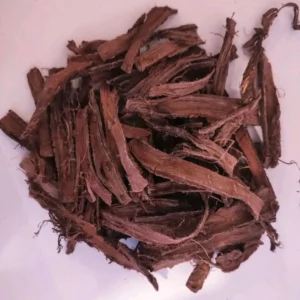
Mexican Mimosa Hostilis
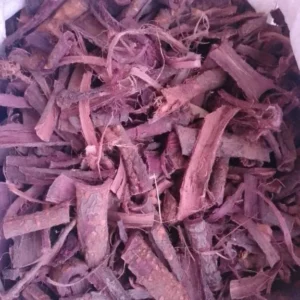
Mexican Mimosa Hostilis
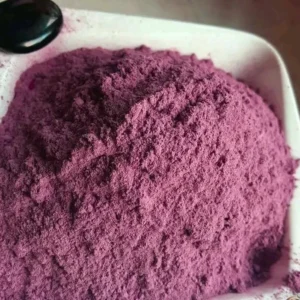
Mexican Mimosa Hostilis
Mexican Mimosa Hostilis Root Bark (MHRB) | Premium Fine-Milled Powder
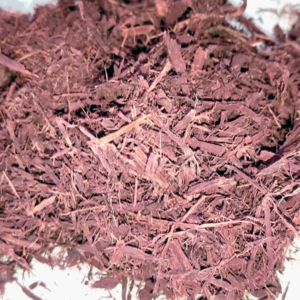
Mexican Mimosa Hostilis
Premium Shredded Mexican Mimosa Hostilis Inner Root Bark (MHRB)
Reviews
There are no reviews yet.