Uncategorized
Buy Mimosa Bark
Sep
Buy Mimosa Root Bark Online: What to Know Before You Order
If you’re ready to buy Mimosa root bark, you’re probably drawn to the deep burgundy and plum shades it gives natural fabrics, or to its use as a plant-based tannin. It’s one of the most popular botanicals among natural dyers, but the market is full of listings that vary a lot in quality, labeling and honesty.
This guide covers what you’re buying, which form suits your project, how much to order, and the red flags to avoid.
What You’re Buying: Mimosa Root Bark Explained
Mimosa root bark comes from Mimosa tenuiflora, a tree native to the dry regions of Brazil and Mexico. Suppliers often list it under the older name Mimosa hostilis. You may also see it called jurema preta or tepezcohuite.
The bark is valued for its high tannin content. Tannins are what give it its strong, lasting colour and its usefulness in traditional leather tanning. Buy Mimosa Bark
Which Form Should You Buy?
| Form | Best for | Notes |
|---|---|---|
| Shredded bark | Textile dye baths | Easy to strain, steady colour release |
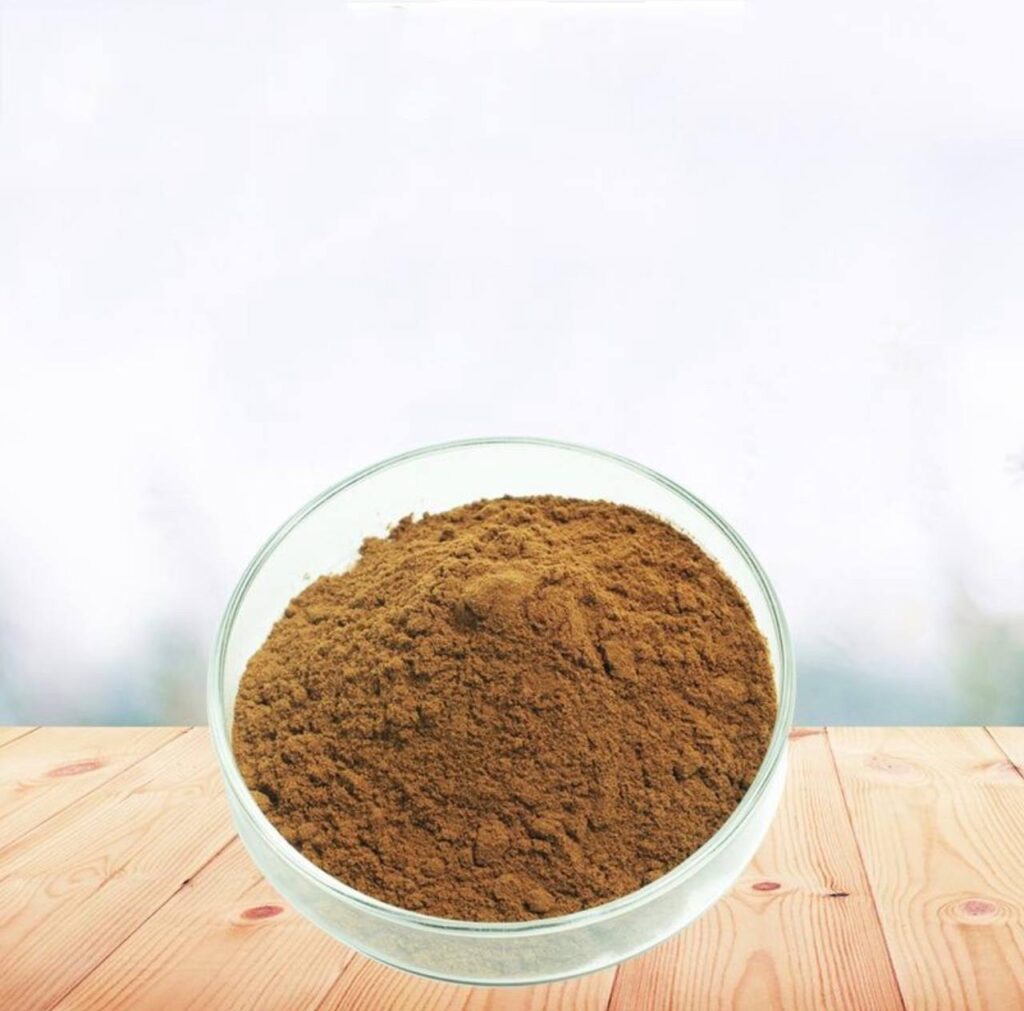
| Powder | Soap, small batches, natural inks | Extracts quickly, absorbs moisture faster |
| Chips | Long simmers, tanning baths | Slower extraction, good for large volumes |
If you’re new to natural dyeing, shredded bark is the most forgiving starting point.
How Much Should You Buy?
A common dyeing starting point is 50–100% of your fabric’s dry weight in bark.
- 50 g–100 g: test swatches and small scarves or bandanas
- 250 g–500 g: a few garments or a small soap-making batch
- 1 kg or more: larger projects, workshops or regular production
Buy a small pack first to test how the colour behaves with your water and mordant, then scale up. Colour varies with water pH, mordant and fibre type, so always test a swatch.
What Colours Can You Expect?
- Alum mordant: warm rose-brown to soft plum
- Iron modifier: deep purple-grey to near black
- Soap making: earthy taupe to plum, though high-pH recipes can shift the colour
7 Things to Check Before You Buy
- Clear botanical labeling. The listing should name Mimosa tenuiflora (or hostilis), the part used (root bark), the weight and the form.
- Stated origin. Reputable sellers say where the bark comes from and how it was harvested.
- Dryness. Bark should be fully dried, with no damp smell or clumping.
- Colour of the bark. Look for a reddish-brown to purple-brown inner surface. Grey, pale or mouldy bark is a warning sign.
- No fillers. The listing should say the bark is pure and unadulterated.
- Real photos. Look for dyed swatches, close-ups of the bark and customer results, not just stock images.
- Clear policies. Shipping times, returns and customer support should be easy to find.
Red Flags to Avoid
- Vague listings with no botanical name or stated use
- Sellers who won’t state where the bark comes from
- Prices far below the market average, which often means old, low-tannin or mixed bark
- No reviews or reviews that don’t mention actual results
Is It Legal to Buy?
Laws differ by country and can change, and some regions regulate imports of certain plant materials. Reputable suppliers sell Mimosa root bark for dye, tannin and craft use only, not for human or animal consumption. Check the rules in your location before ordering, especially for international shipping. A seller who states the intended use clearly is a good sign.
How to Store Your Bark
Keep it in an airtight container in a cool, dry, dark place. Powder absorbs moisture faster than shredded bark, so seal it well. Stored properly, the bark stays usable for a long time.
Ready to Buy?
[Insert your call to action and product link here, e.g., “Shop our Mimosa root bark: shredded, powder and chips from 50 g to 1 kg, packed in resealable bags.”]
Frequently Asked Questions
Where can I buy Mimosa root bark?
It’s sold by specialist natural dye suppliers, botanical shops and some marketplaces. Look for clear labeling, stated origin and a stated craft use.
Is Mimosa root bark the same as Mimosa hostilis?
Yes. Mimosa hostilis is the older trade name for Mimosa tenuiflora.
Which form is best for beginners?
Shredded bark. It’s easy to handle and strain, and it gives consistent colour in standard dye baths.
How much does Mimosa root bark cost?
Prices vary by seller, form and quantity. Larger packs usually cost less per gram, so start small to test and then scale up.
Can I use it for soap?
Yes, as a natural colourant. Do a small test batch first, since colour can shift in high-pH cold-process recipes.
Final Thoughts
When you buy Mimosa root bark, choose a transparent seller, match the form to your project and start with a small test pack. A few minutes of checking labeling, dryness and sourcing will save you money and disappointment.
